
Operating budget
Landscaping contracts, trash coordination, common-area utilities, insurance premiums and management administration — the costs that recur every month.
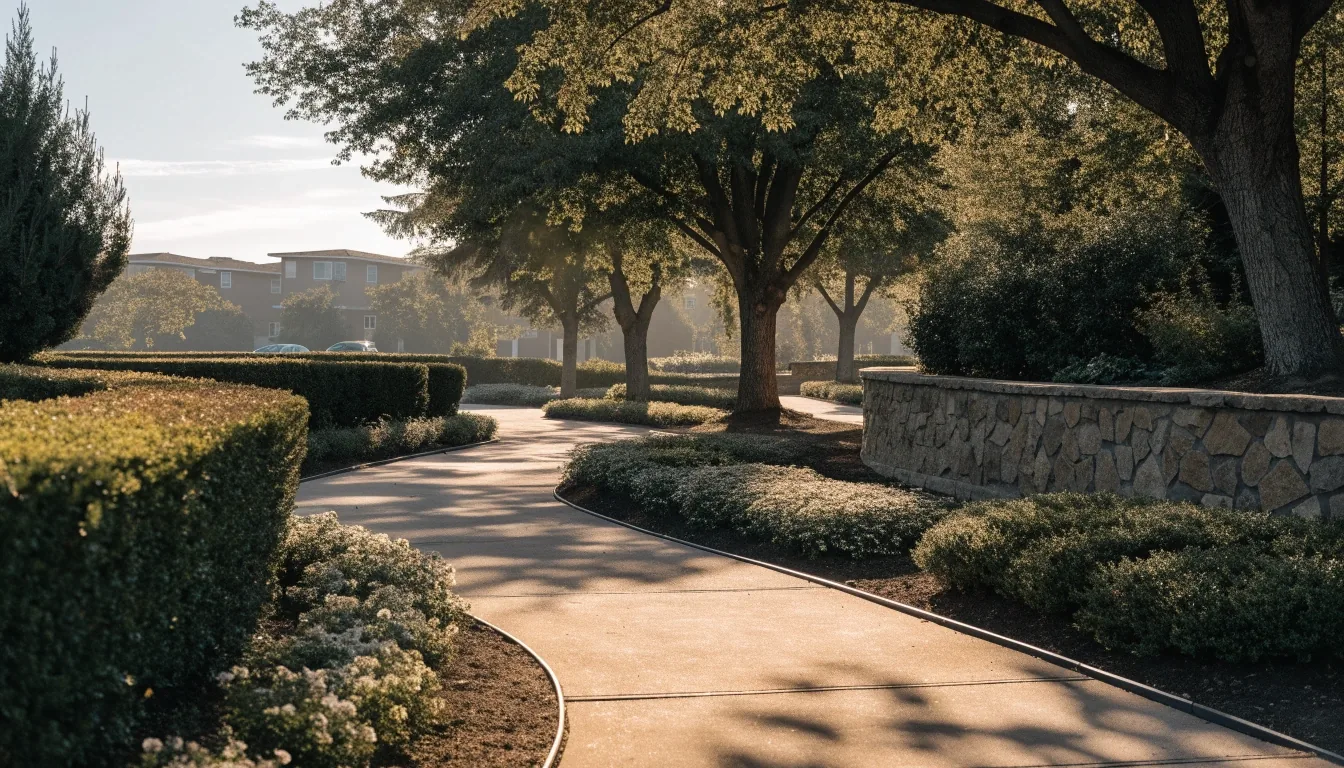
The nonprofit common interest development association for our San Jose community. If you own a home here, you are a member. This is where residents, owners and vendors find the practical answers — who maintains what, how assessments work, and how to reach the management team.
1625 The Alameda, Suite 625 · San Jose, CA 95126 · Managed by Grayson Community Management
The association owns, maintains and preserves the common areas of the development. That includes the landscaping you see from the street, shared walkways, recreation facilities, and the infrastructure that serves more than one home.
Under California's Davis-Stirling Common Interest Development Act, an association is a nonprofit corporation or unincorporated association created to manage a common interest development. Your individual home and its interior are your separate interest. The line between the two is set out in the governing documents and clarified in state law.
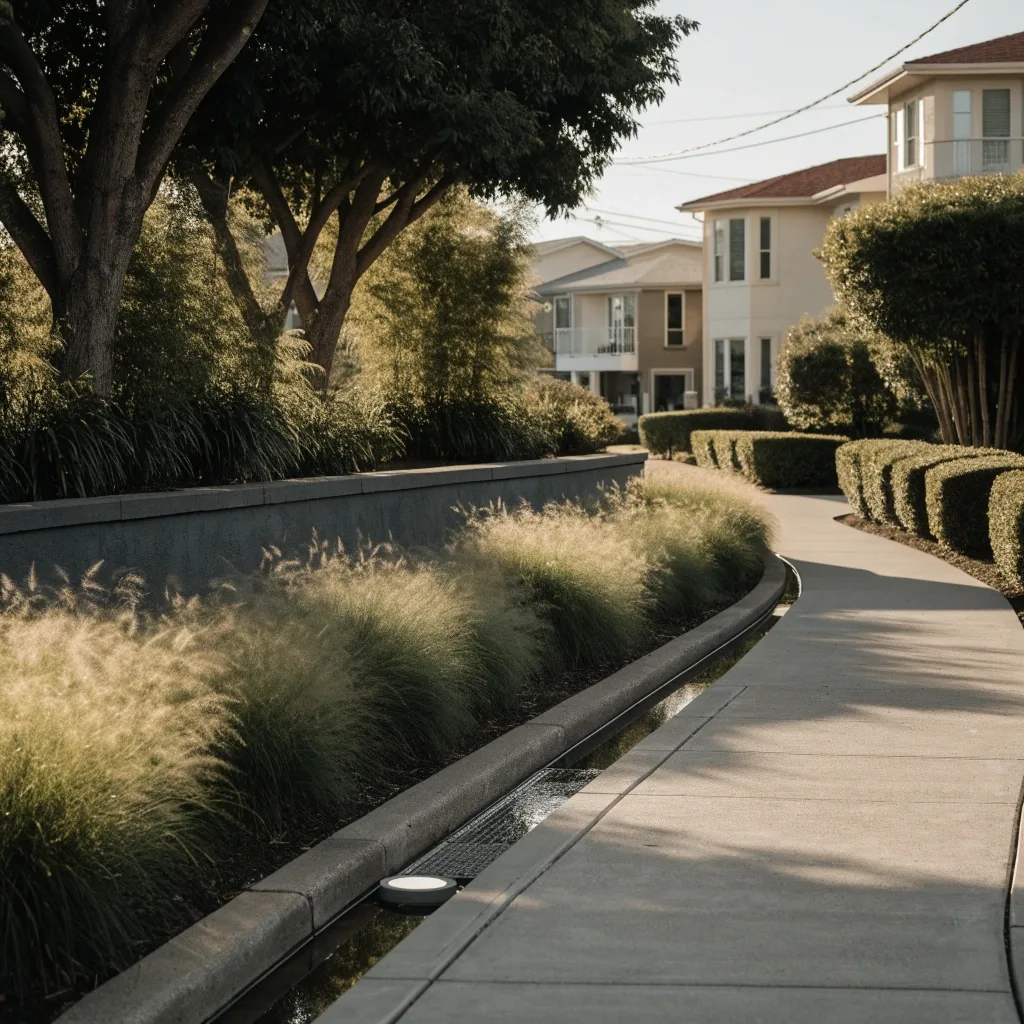
Landscaping, shared walkways, lighting, drainage and the infrastructure that serves more than one home.
Amenities assigned to a single home but still owned and maintained by the association, such as a patio or assigned parking space.
Your home and its interior. Upkeep, repairs and improvements inside your unit are yours to handle under the CC&Rs.
Pools, courts and clubhouses require scheduled upkeep and their own reserve funding — they are not free to operate.
Keeping the grounds safe, the amenities usable and every home's value protected over time takes clear rules, honest budgets and residents who report problems instead of walking past them.
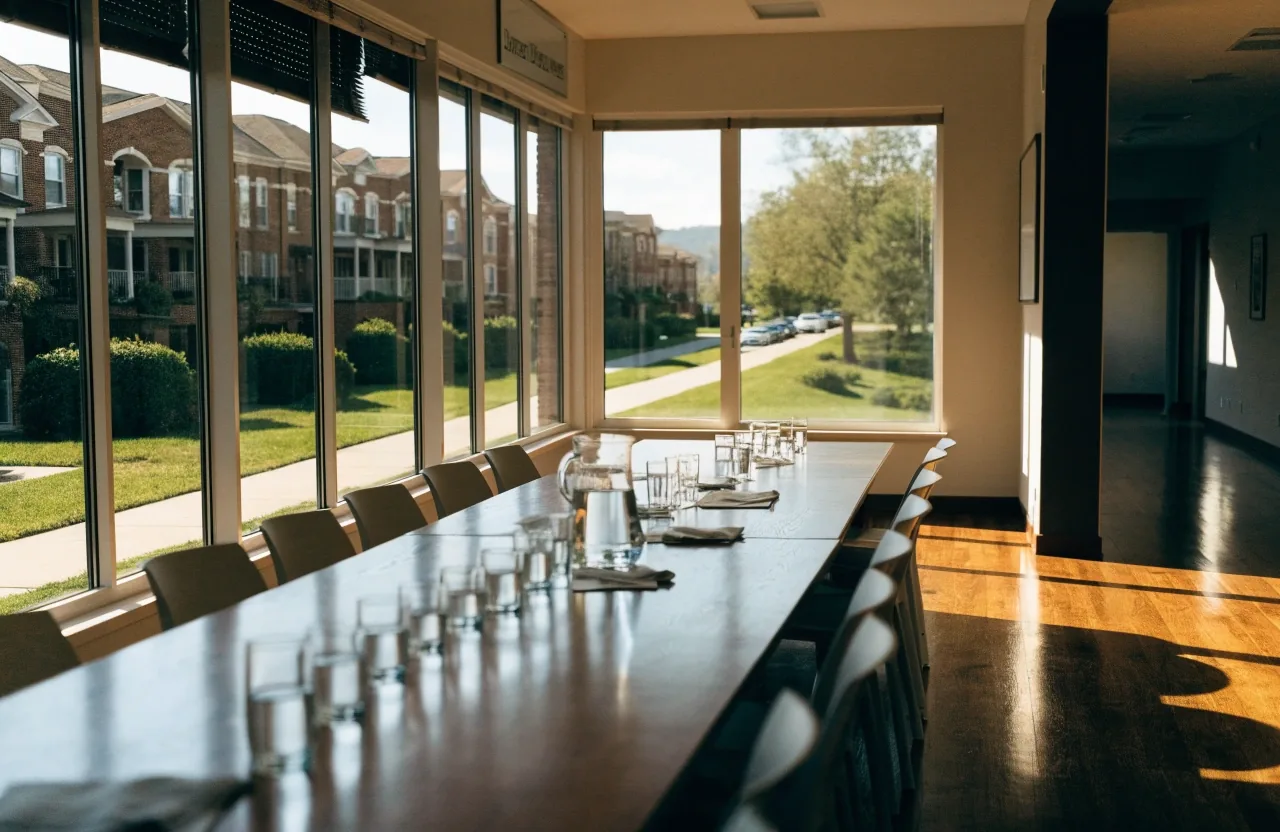
Day-to-day decisions rest with a board of directors made up of owners who volunteer their time. The board sets the annual budget, approves vendor contracts, and adopts rules that keep the community functional. Larger or structural decisions may require a membership vote, and the governing documents spell out which ones.
California law sets baseline procedural rules the board must follow, including open meetings and owner access to records.
Association officers
Regular assessments fund the operating budget and the reserve account. Operating money covers recurring items like landscaping, trash coordination, insurance and administration. Reserve money is set aside for major repairs and replacements that come due on a predictable schedule.
Landscaping contracts, trash coordination, common-area utilities, insurance premiums and management administration — the costs that recur every month.
A reserve study estimates the useful life and replacement cost of major components, and it guides how much the board sets aside each year.
When a project exceeds what reserves can cover, the board may consider a special assessment. That is a serious step, and the assessments page explains how boards evaluate it.
Landscaping is often the most visible measure of how the association is performing. Lawns, planting beds, irrigation and pruning are typical common-area items the association maintains. Behind that, there is a less visible layer: irrigation controllers, drainage, lighting, and shared plumbing or electrical runs.
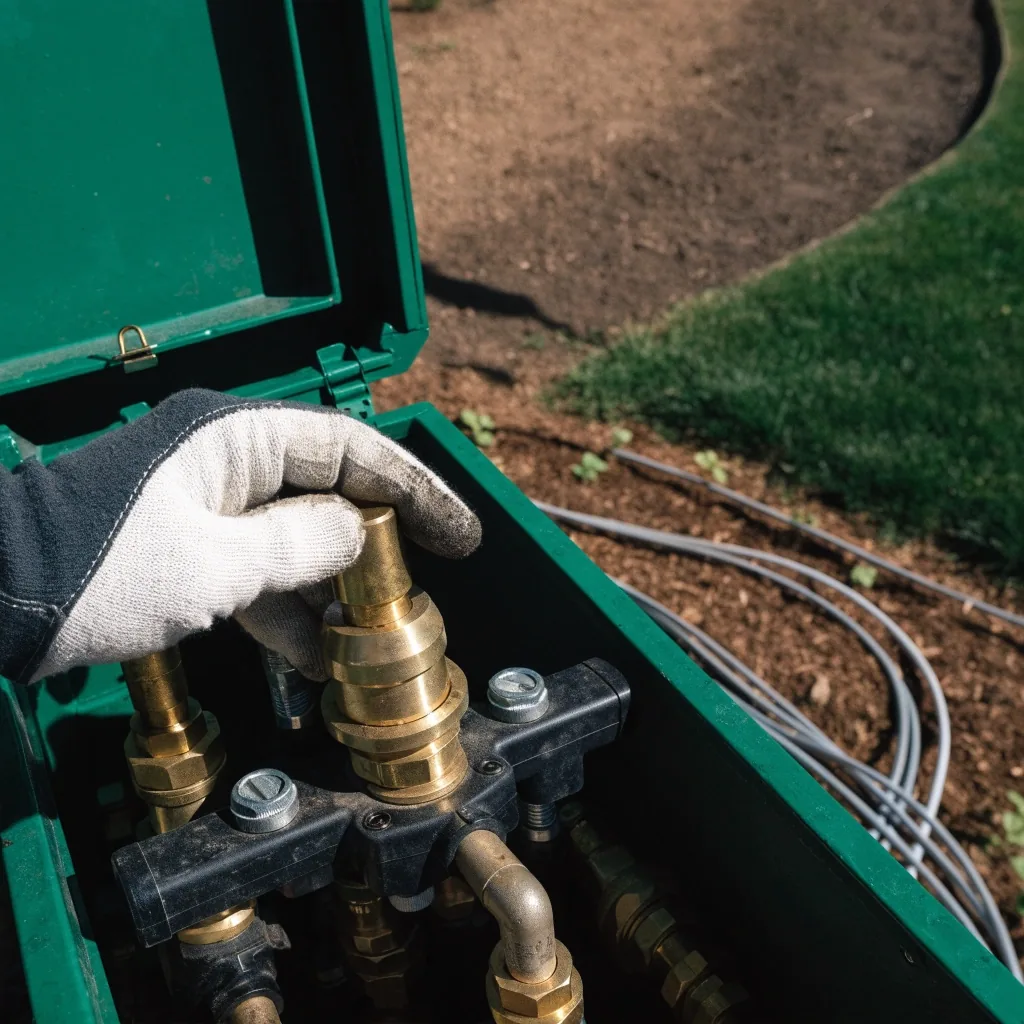
Behind the planting
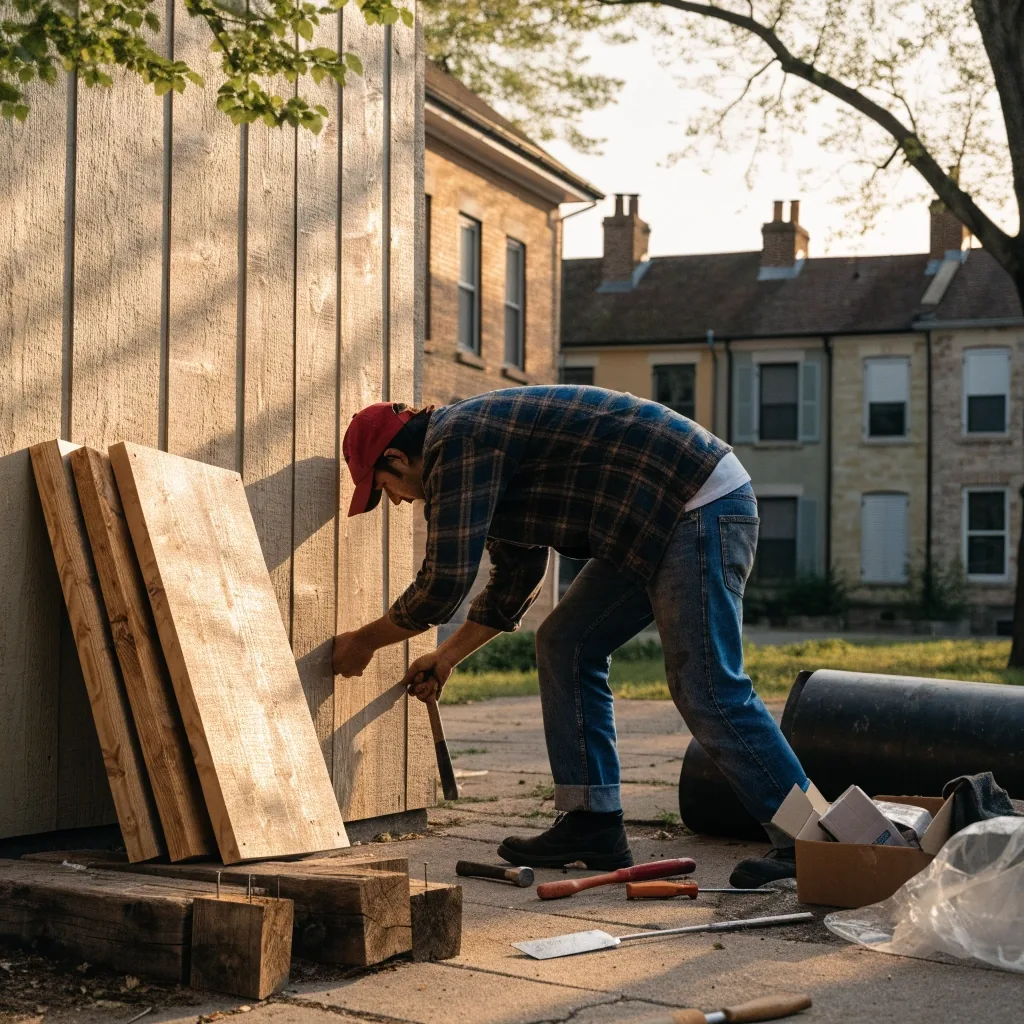
Most common-area work is performed by contracted vendors rather than association staff. Oversight means reviewing performance, not just signing a contract.
The board and management team request competing proposals with a written scope of work, so vendors price the same job.
Licenses, insurance certificates and references are verified before a contract is signed, and kept current through the term.
Clear scopes define frequency, materials and standards, so a missed service visit is measurable rather than a matter of opinion.
When a service is inconsistent, residents often notice it before anyone else. Reporting it early gives management a chance to correct it.
Trash collection in many private communities is coordinated at the association level rather than by the city, so it depends on vendor performance and clear resident communication.
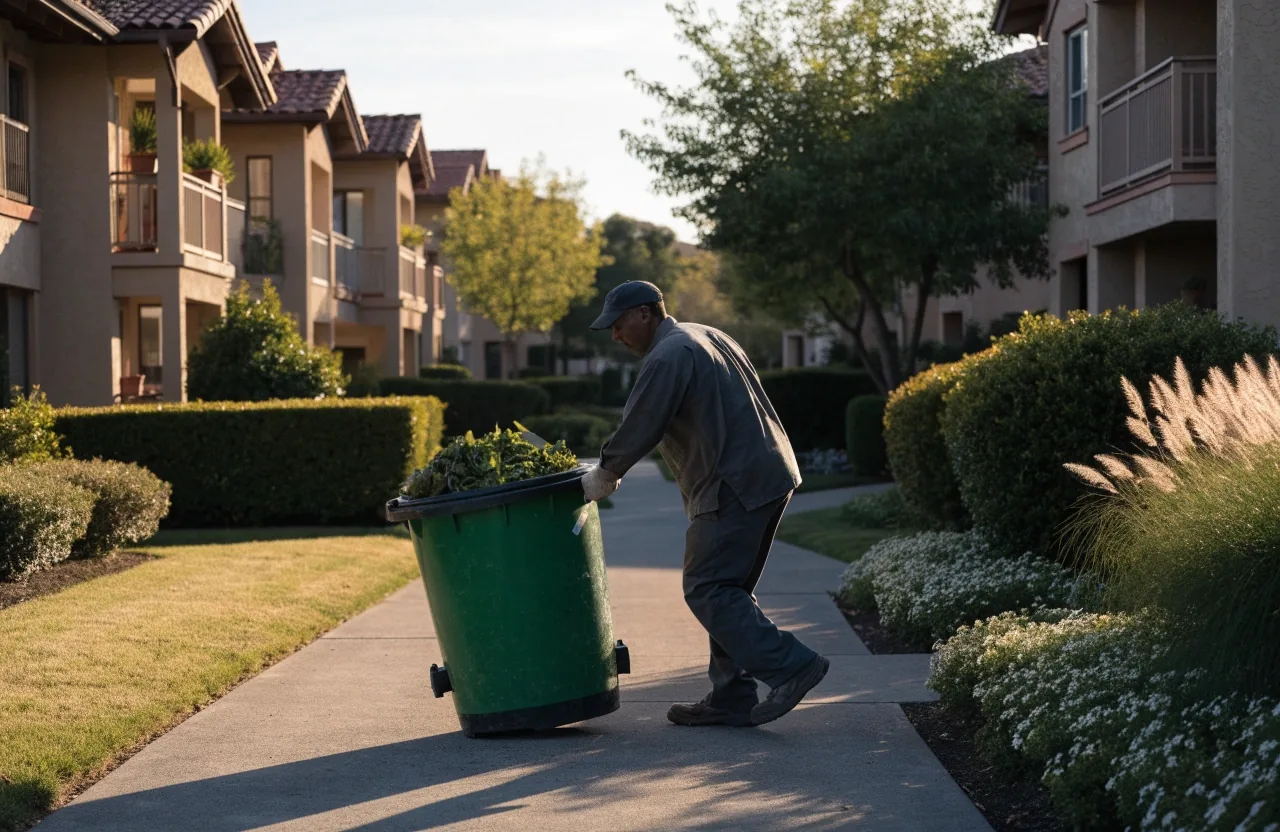
Vendors who want to work with the association should use the same contact channel and include their license and insurance information. That keeps one queue for service requests, account questions and vendor proposals instead of several.
Contact the management teamOwners keep the community working by paying assessments on time, following the CC&Rs, and submitting architectural requests before making exterior changes.
Regular assessments fund the operating budget and reserves that keep shared assets working.
The recorded covenants, conditions and restrictions apply to every owner in the development.
Submit an architectural request before exterior changes so the board can review it against the standards.
Small issues reported early are usually cheaper to fix than the same issues discovered after damage spreads.
You also have a voice: board meetings are open to members, and most boards welcome volunteers for committees. If you see a common-area problem, report it through the contact page rather than waiting for someone else to notice.
Two questions come up again and again: who pays for a given repair, and why costs rise. The answers depend on how an area is classified and on how labor, materials, insurance and utility costs move over time.
If you want to understand a specific line item, ask management, and they can point you to the relevant document.
It depends on how the area is classified. Common areas and exclusive-use common areas are generally the association's responsibility to maintain, while your separate interest, including the interior of your home, is yours. The governing documents and Davis-Stirling set the boundaries. If you are unsure, contact management with the location and they can confirm.
A reserve study inventories the major components the association is responsible for, estimates their remaining useful life, and projects replacement costs. It is a planning tool, not a guarantee, and it is typically updated periodically so the numbers stay current.
When a major expense exceeds what the reserve account can reasonably cover at the time. Boards generally explore financing, phasing, or delaying non-critical work first. A special assessment requires board action and, depending on the amount and the governing documents, may require a membership vote.
The association is managed by Grayson Community Management. For service requests, questions about your account, or official correspondence, use the contact page. Include your property address and a short description of the issue, and the team can route it to the right person.
Response times vary with volume, but most routine inquiries are answered within a few business days.
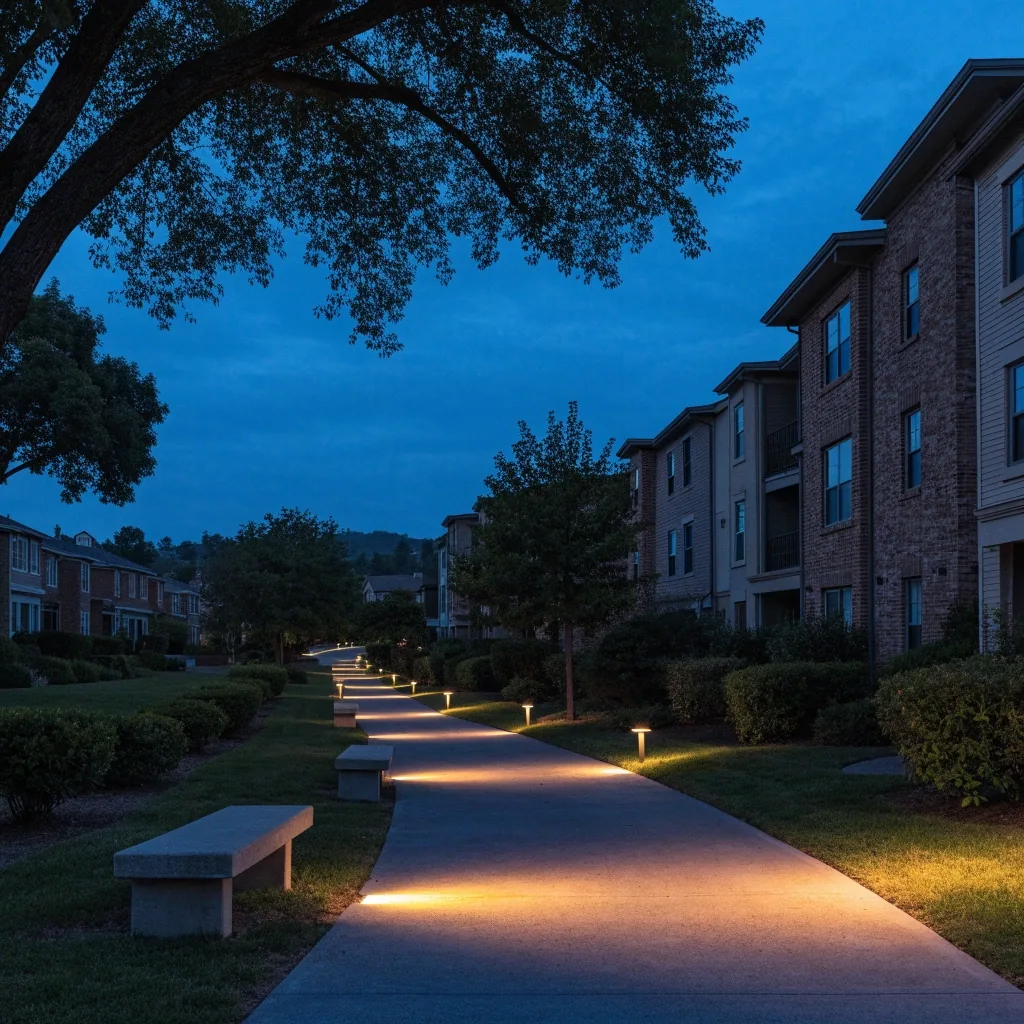
An association is a shared enterprise. Owners pay into it, volunteers run it, and vendors do the work. The point is not paperwork for its own sake. It is keeping the grounds safe, the amenities usable, and the property values of every home protected over time.
That requires clear rules, honest budgets, and residents who report problems instead of walking past them. This site exists to make all of that easier to navigate.