
Assessments and reserve planning
Where your assessment money goes, and why reserves matter
Assessments are not arbitrary. They are built from an operating budget and a reserve plan, both reviewed and approved by the board. This page explains where the money goes, how reserves work, and when a special assessment becomes necessary.
Two funds, one budget
The association runs on two separate pots of money. The operating fund pays for the year's routine services. The reserve fund is set aside for big-ticket repairs and replacements that arrive on a predictable schedule. Keeping them apart is what keeps a roof replacement from turning into a crisis.
Owners sometimes ask why the reserve balance keeps growing instead of lowering dues. The answer is timing: a reserve account that looks healthy today is quietly paying for work that is still years out.
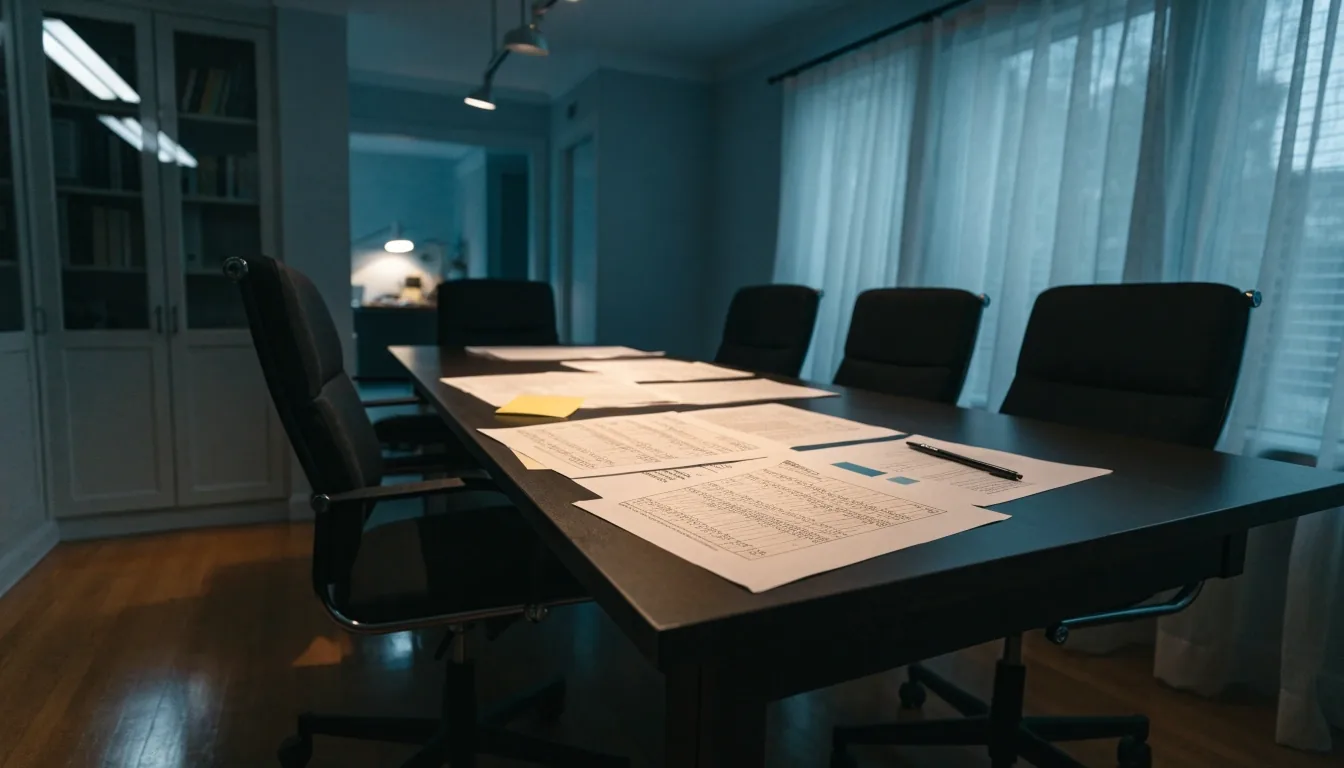
The board reviews the operating budget and reserve plan together each year before setting the assessment amount.
What regular assessments cover
Regular assessments are recurring dues that fund operations and common-area expenses. That includes landscaping, trash coordination, insurance, utilities, administration, and management fees. A portion also goes into the reserve account. The board sets the amount annually based on the projected budget, and the governing documents describe how increases are handled. Assessment collection is a standard management duty, and payments are tracked by the management team.
-
Landscaping
Common grounds and street trees
Mowing, irrigation repair, seasonal planting, and tree care across shared areas the association maintains.
-
Trash coordination
Waste and recycling service
Scheduled collection, bin placement, and handling the service issues that come up on shared streets and enclosures.
-
Insurance
Association master policy
The shared coverage the association carries for common structures and the liability that comes with shared property.
-
Utilities
Shared water, power, and lighting
Metered services for common systems and the community lighting that stays on through the year.
-
Administration
Records, mailings, and compliance
Notices, record keeping, and the legal and filing work a nonprofit common interest development association has to keep current.
-
Management
Day-to-day operations
Vendor coordination, owner correspondence, work orders, and the collection of assessments that keeps the budget funded.
If a line item on your statement looks unfamiliar, ask. Management can point you to the budget document behind it, and the board's annual review is where those numbers get set.
Reserve money is not a surplus. It is the cost of work you already know is coming.
A funded reserve account is how the association pays for scheduled replacements without borrowing from owners at the worst possible moment.
The reserve account
The reserve account is money set aside for major repairs and replacements that come due on a predictable schedule. Roofs, paving, pool equipment, and shared systems all wear out eventually. Funding them from reserves avoids a crisis when the bill arrives. Reserve funds are not a slush fund for routine expenses, and boards are expected to keep them separate for their intended purpose.
Separating the money matters because the two accounts answer different questions. Operating money answers whether this month's services get paid. Reserve money answers whether the association can replace a component when its useful life runs out.
Components reserves typically cover
- Roofing and exterior building envelope
- Paving, walkways, and curbs
- Pool equipment and recreation facilities
- Fencing, lighting, and shared systems
- Major landscape and irrigation replacements
What a reserve study covers
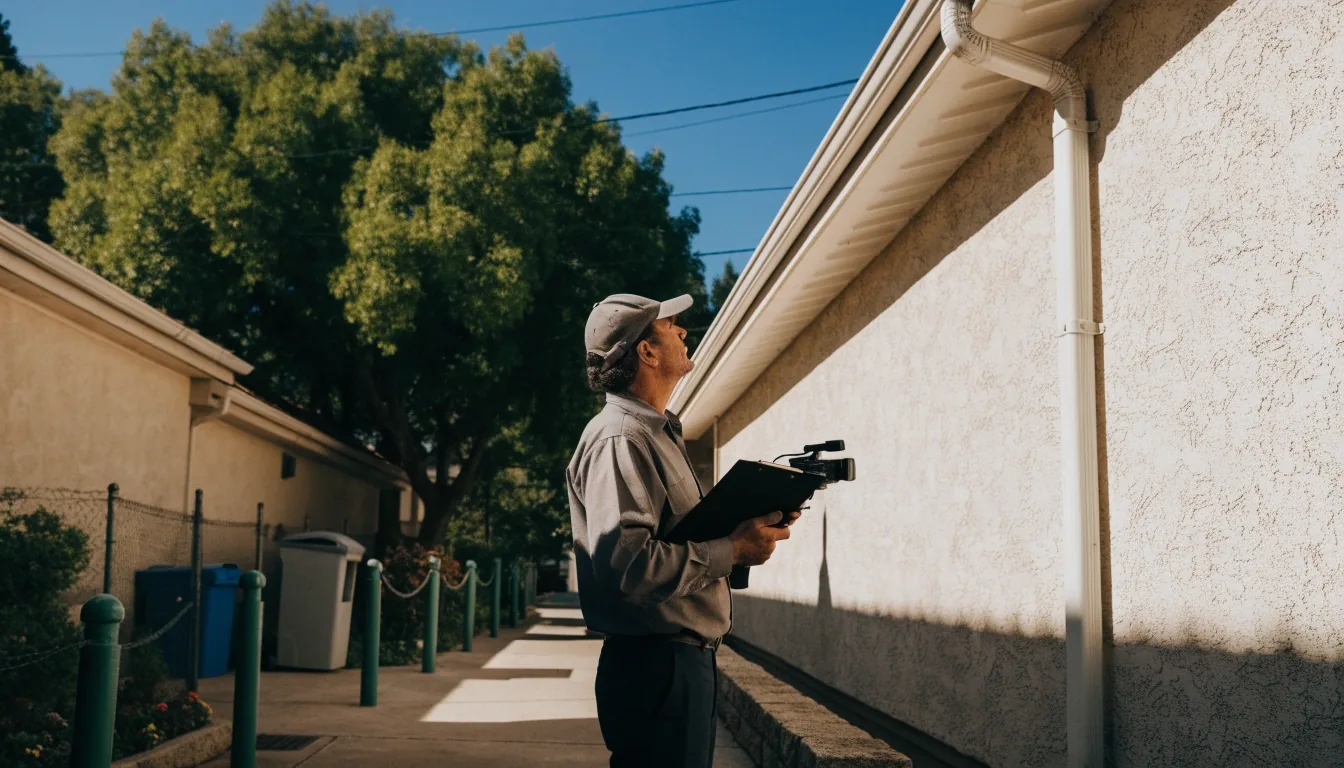
A reserve study inventories the major components the association is responsible for, estimates their remaining useful life, and projects replacement costs. It is a planning document, and it is typically updated periodically so the numbers reflect current costs. A study is not a guarantee. It is a best estimate that helps the board decide how much to set aside each year. When a study shows a funding gap, the board has to decide how to close it.
-
1
Inventory the components
List what the association is responsible for maintaining and replacing, from roofs down to shared paving.
-
2
Estimate remaining life
Judge how many more years each component is expected to serve before it needs replacement.
-
3
Project replacement costs
Estimate what that work would cost at today's prices, then update as costs move.
-
4
Compare to the funding plan
Set the annual reserve contribution against the projection, and flag any gap the board has to close.
When a special assessment happens
A special assessment is used when regular assessments are not enough for a major expense. It is often tied to unexpected repairs or a reserve shortfall. Because it directly affects owner costs, it tends to be controversial, and boards generally explore alternatives first: phasing the work, using available reserves, or obtaining financing. A special assessment usually requires board action, and depending on the amount and the governing documents, it may require a membership vote.
If a special assessment is ever proposed, the board's job is to explain the scope of the work, the alternatives it considered, and the timeline. Owners should expect that context in writing before any vote.
Alternatives boards weigh first
- Phasing the work over more than one budget cycle so the cost spreads out.
- Drawing on reserves already set aside for that component.
- Obtaining financing and repaying it through future assessments.
- Adjusting the annual reserve contribution so the gap closes gradually.
Why costs change
Labor, materials, insurance, and utility costs all move over time. Insurance in particular has risen sharply in many markets, and that pressure shows up in budgets. Boards do not raise assessments because they want to. They adjust when the cost of providing the same services changes. If you want to understand a specific line item, ask management and they can point you to the budget document.
Late and unpaid assessments
Unpaid assessments create enforcement issues for boards, because the association still has to pay for services whether or not everyone has paid. The governing documents and state law set out the process for collecting delinquent assessments, and it includes notice requirements. Owners who are struggling should contact management early. Ignoring the issue usually makes it more expensive.
Contact the management team
Financial stewardship
Good stewardship means accurate budgets, funded reserves, and transparent reporting. The CFO oversees the financial side of the association, and the board reviews financial statements regularly. Owners can request to inspect financial records under California law. That access exists so members can see how their money is being handled, and it is worth using when you have a question.
See resident resourcesQuestions owners ask
These come up often at meetings and in owner correspondence. If yours is not here, management can walk you through it.
Why did my assessment go up this year?
Usually because the cost of providing the same services moved. Insurance, utilities, materials, and contracted labor are the biggest drivers. The board adjusts the amount based on the projected budget, and the governing documents describe how increases are handled.
Is the reserve account the same as the operating account?
No. Reserve funds are kept separate for major repairs and replacements on a predictable schedule. Routine expenses are paid from the operating budget. Mixing the two is what creates the funding gaps that later turn into special assessments.
Can I see the budget and financial records?
Owners can request to inspect financial records under California law. Ask management for the current budget document and they can point you to the reporting that is available to members.
What happens if I fall behind on assessments?
The governing documents and state law set out the collection process, and it includes notice requirements. Contact management early if you are struggling. Working out a plan sooner is usually less expensive than letting it sit.
Who decides whether to fund a reserve item now or later?
The board sets the annual reserve contribution as part of the budget, using the reserve study as its planning document. When a study shows a funding gap, the board decides how to close it, and owners can ask about that reasoning at a meeting.
Have a question about a specific charge?
The management team can walk you through a line item, point you to the budget document behind it, and explain how the reserve plan affects your assessment. Reach out during business hours and we will follow up.
1625 The Alameda, Suite 625, San Jose, CA 95126 · +1 (888) 277-5580 · Monday–Friday, 9:00 AM – 6:00 PM