
San Jose, California
About the Association
Classics at Kilmer Park Maintenance Association is a nonprofit corporation formed to manage and maintain a common interest development. This page explains how the association is structured, who serves on the board, and what the board is and is not allowed to do.
A nonprofit corporation, not a business
Assessments you pay are held by the association for community purposes. They are not a fee to any outside owner or investor.
The association is organized as a nonprofit corporation. That means it does not exist to generate profit for anyone. Assessments collected from owners go into the operating and reserve accounts and are spent on community expenses. Surplus, if any, stays with the association and is applied to future costs.
The board is accountable to the membership, and California law gives owners specific rights to inspect records, attend meetings, and participate in certain decisions. Those rights are not favors granted by the board. They come with the ownership of a separate interest in a common interest development.
- Where money goes
- Operating expenses and reserve accounts for common-area upkeep and long-range repairs.
- Who answers for it
- An elected board of owners, working with the management team and reporting to the membership.
Shared property has to be owned, funded, and cared for by someone. In a common interest development, that someone is the collective of owners.
What a common interest development means
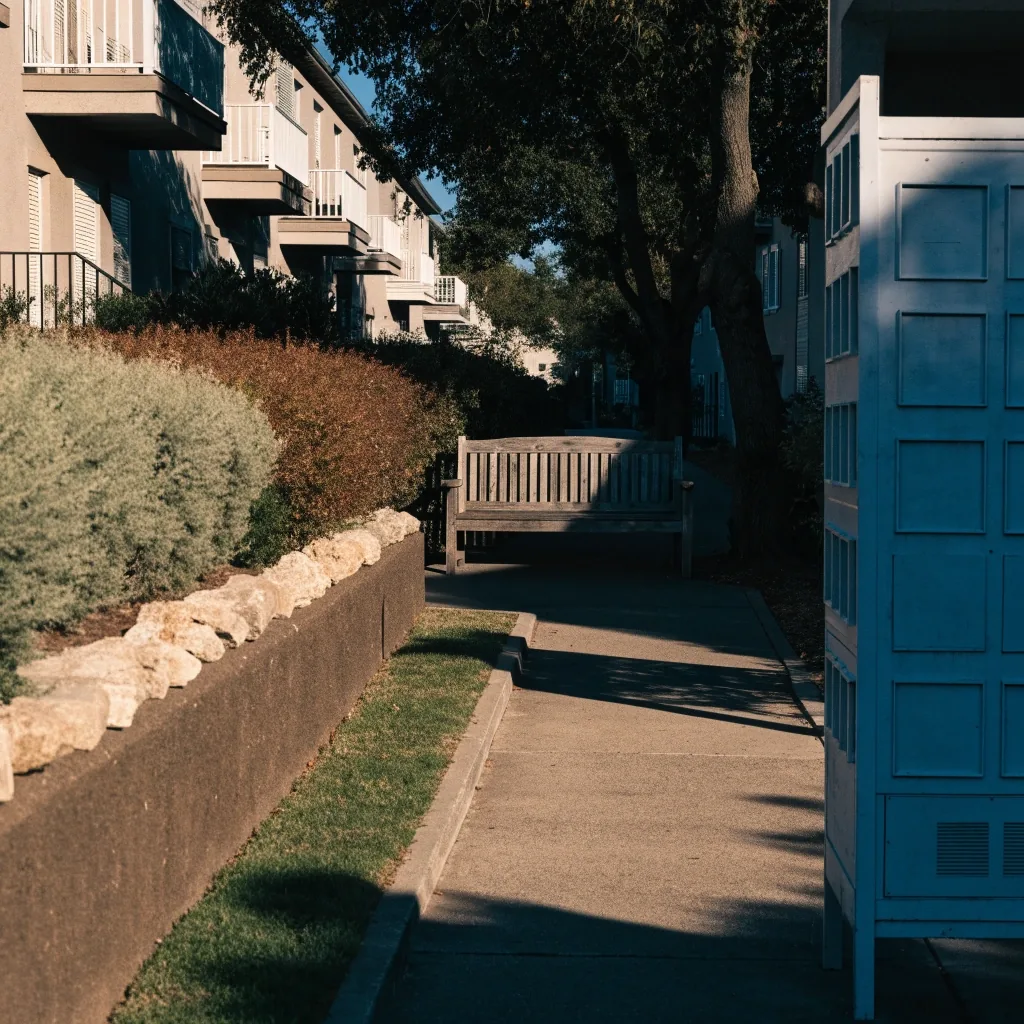
In a common interest development, owners hold title to their separate interests and share ownership of common areas through the association. That structure is what makes shared landscaping, recreation facilities, and infrastructure possible.
It also creates the maintenance question that drives most day-to-day decisions: which items are common, which are exclusive-use, and which belong to the individual owner. The governing documents answer that question for this community, and state law provides the default framework when the documents are silent.
Common areas
Landscaping, walkways, recreation facilities, and shared infrastructure owned by all owners together.
Exclusive-use areas
Spaces reserved for one owner's use — patios, parking stalls, storage — where maintenance duties can differ.
Separate interests
Your home and the parts the association does not maintain. Interior upkeep stays with the owner.
The governing documents are the reference point for those boundaries. You can read how they are adopted and amended on the governance page.
Review governance and governing documentsThe board of directors
The board is made up of owners elected by the membership. Directors serve limited terms and can be removed through the process described in the governing documents. The board sets policy, approves budgets, hires and oversees vendors, and applies the CC&Rs consistently across the community.
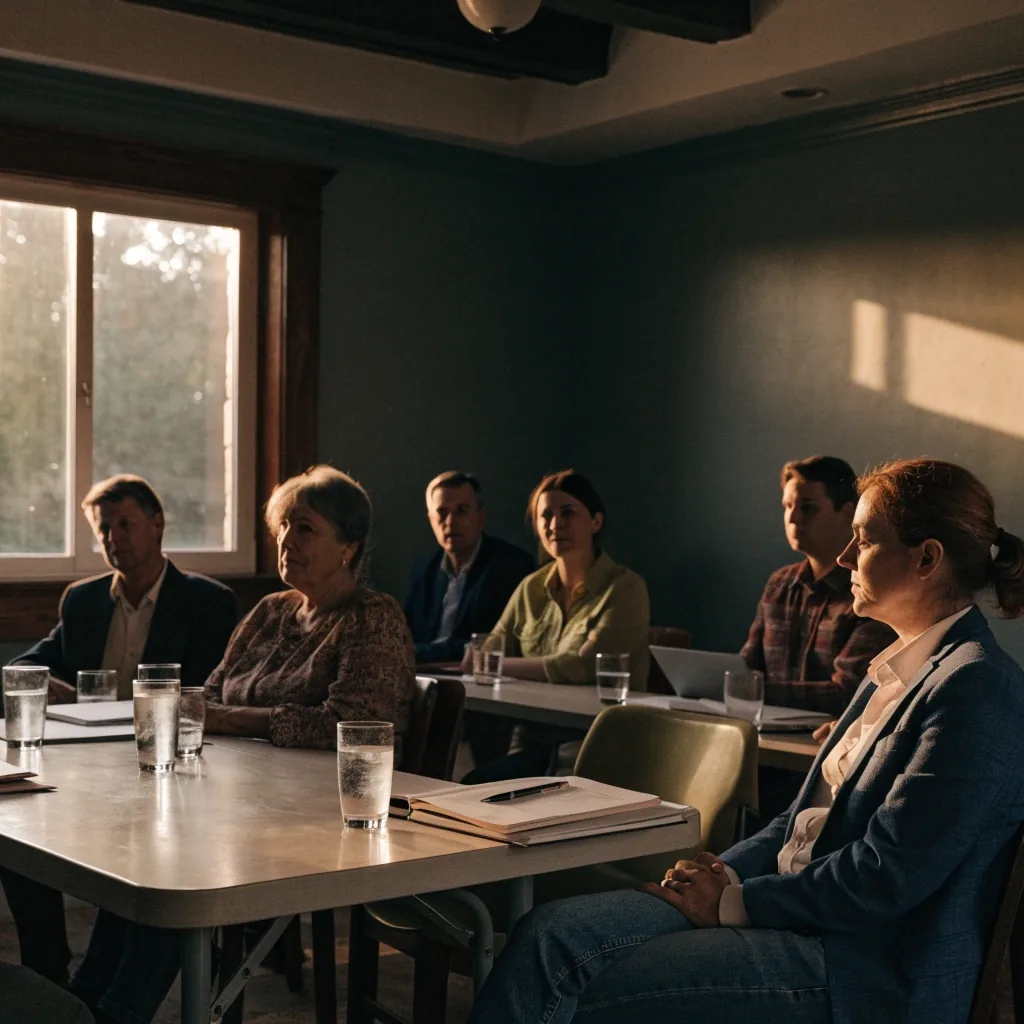
Directors are volunteers. They are not paid for their service. When they act in good faith and within the authority the governing documents give them, they are generally protected by the business judgment rule — a principle the California Supreme Court addressed in Lamden v. La Jolla Shores Clubdominium Homeowners Assn.
That protection matters to every owner, because it lets a board make a defensible long-term call on maintenance or reserves without being second-guessed into paralysis. It does not excuse acting outside the documents, and it does not remove the membership's right to elect different directors at the next opportunity.
Officers and key roles
These roles are separate from the elected board and support the association's administrative and legal obligations.
-

Heidi Heckman
Chief Executive Officer
Serves as the association's chief executive, coordinating the work of management, vendors, and the board's policy direction. Heidi is the executive point of contact when a matter needs to move beyond a routine service request.
-
Andre Ordonio
Chief Financial Officer
Oversees the financial side of the association, including budget preparation and reserve planning. That work determines how much of each year's assessment funds current operations and how much builds the reserve for future repairs.
-

Shelby Welsch
Secretary
Responsible for meeting records and association correspondence. If you are looking for minutes of a past meeting or the official record of a membership decision, the Secretary's office is where that documentation is kept.
-
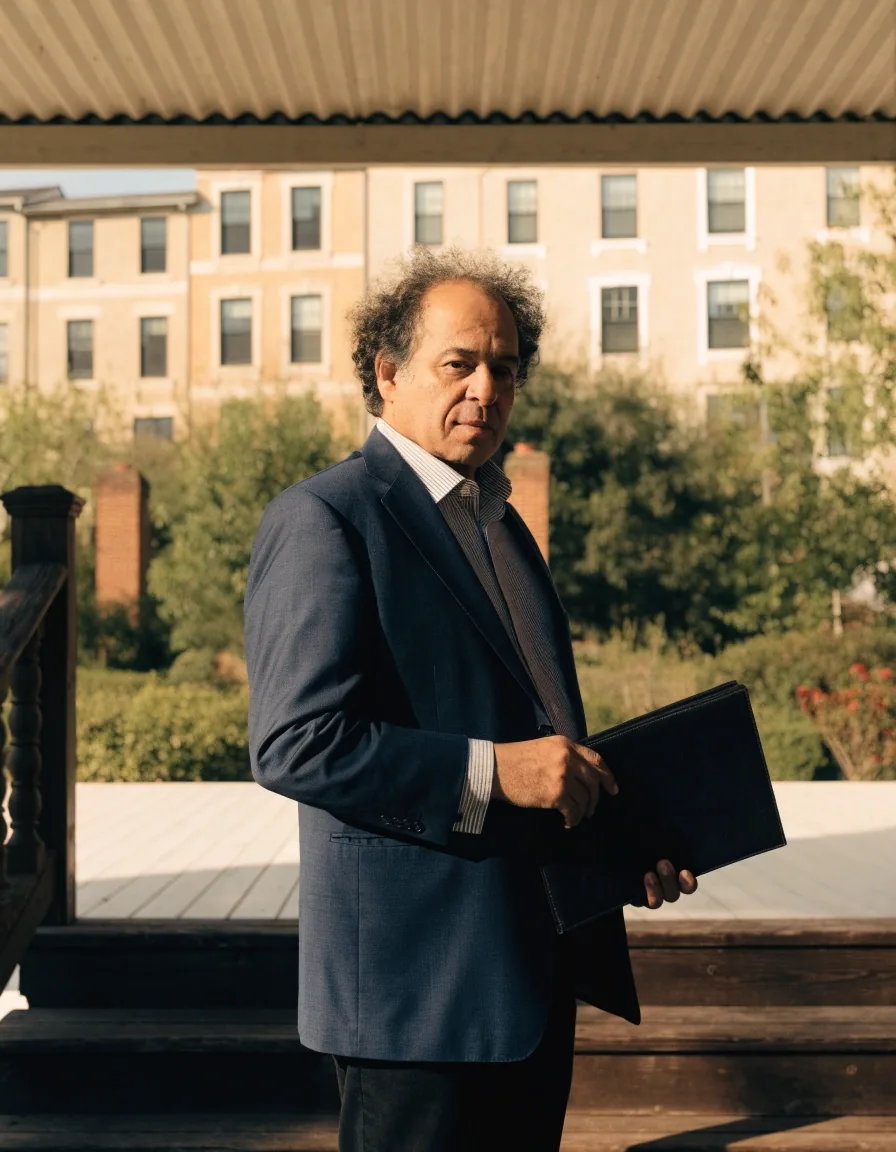
Allan Melkesian
Registered Agent
Accepts service of process on behalf of the association, which keeps legal correspondence on a defined path instead of being lost between individual owners and directors.
Working with management
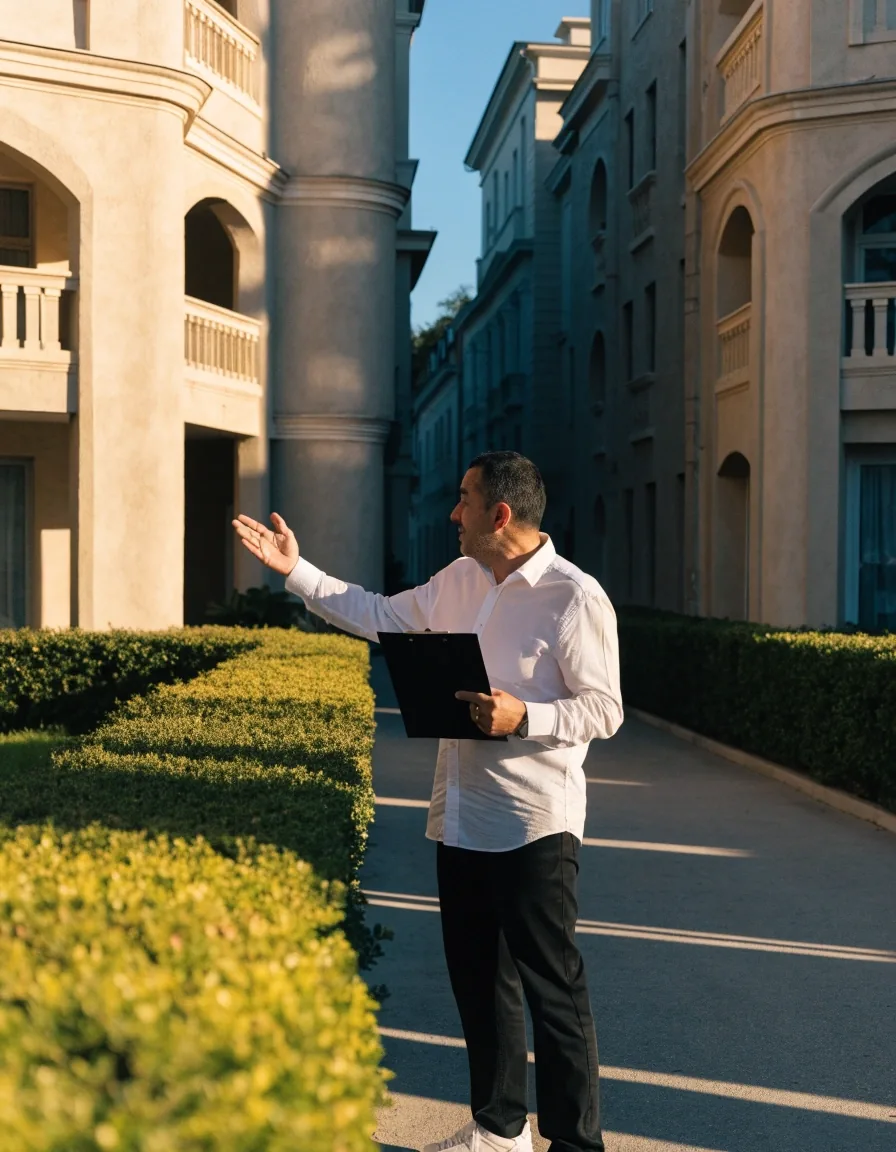
Grayson Community Management handles the day-to-day administration of the association. Management acts on board direction and within the authority the board delegates, so the answer to most routine questions starts in one place.
Reach the management team
1625 The Alameda, Suite 625, San Jose, CA 95126, USA
Monday–Friday, 9:00 AM – 6:00 PM
+1 (888) 277-5580 [email protected]- Assessment collection Statements, payment handling, and account questions for your separate interest.
- Vendor coordination Scheduling and overseeing the landscapers, trades, and service providers who work on common areas.
- Architectural requests Intake and tracking of owner applications for exterior changes before any work begins.
- Resident questions First response for service requests, documents, and general community questions.
If you have a question about your account, a service request, or a document, management is the right first contact. They will route anything that needs a board decision to the board, and they keep the record of what was asked and what was done.
Contact the management teamPreserve and maintain the common interest development for the benefit of all owners.
In practice, that mission means keeping common areas safe and functional, maintaining reserves so major repairs are funded when they come due, applying the governing documents fairly, and communicating clearly with residents.
It does not mean the association can do everything at once. Boards work within a budget, and priorities have to be set. When two repairs both matter and only one fits this year, the board decides the order — and the reasoning belongs in the meeting record, where any owner can read it.
Read about maintenance responsibilitiesWhat the association does not do
-
It does not maintain the interior of your home, and it does not act as a landlord.
-
It does not mediate every dispute between neighbors.
-
It does not promise that costs will stay flat, because labor, materials, insurance, and utilities all change over time.
Being clear about these limits prevents a lot of frustration. When residents understand the boundary, conversations about maintenance and money get more productive.
How owners participate
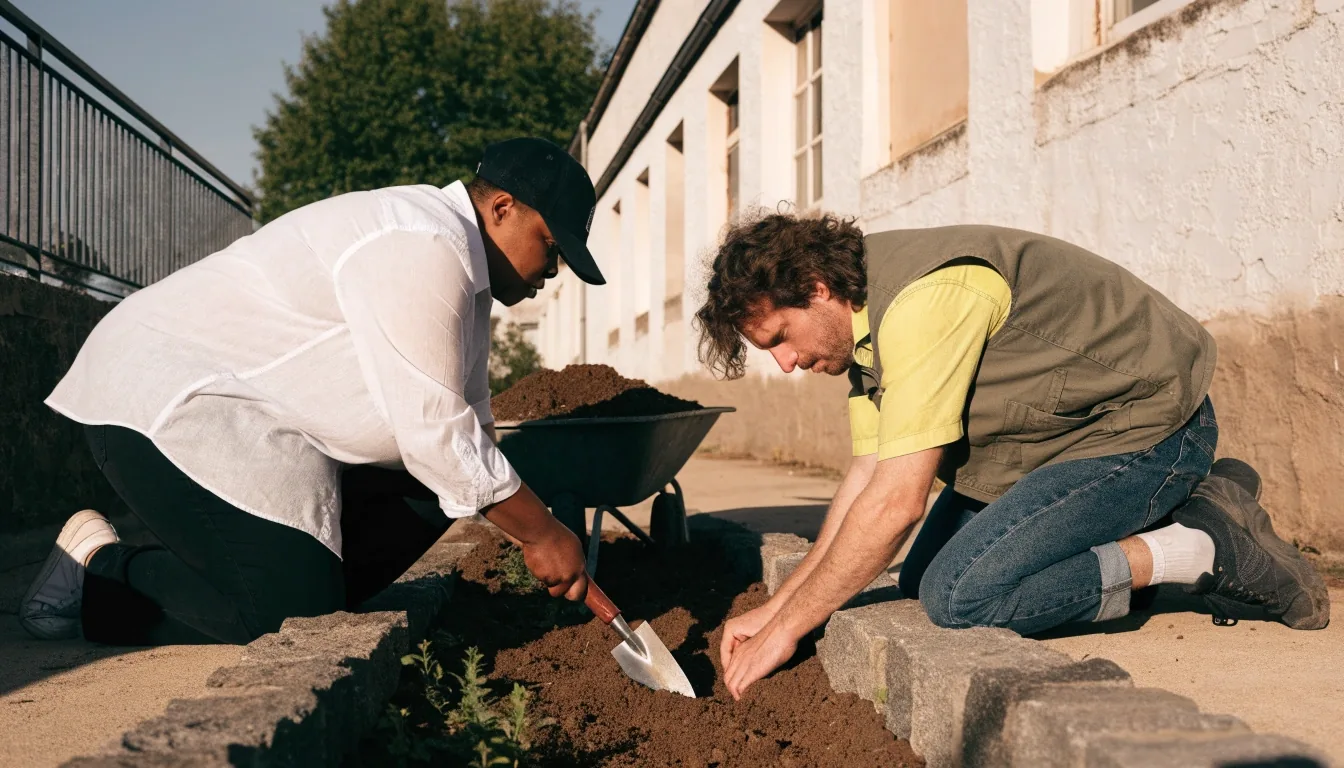
Owners participate by paying assessments, following the CC&Rs, and showing up. Board meetings are open to members, and committees often need volunteers. If you have a skill in landscaping, finance, or communications, there is usually a way to put it to use.
Participation is also the best way to understand why a decision was made, because you hear the reasoning directly instead of inferring it from a bill. Meeting dates and resident forms are collected on the resources page, and the management team can tell you what is on the next agenda.