Common area
Owned and maintained by the association for everyone's benefit. Shared landscaping, walkways, drainage, lighting, and recreation facilities all live here.
Maintained by the association
Maintenance responsibilities
Most questions from residents come down to one thing: who fixes this? The answer depends on how the property is classified. Some parts of the community are association-maintained, some are the owner's responsibility, and a few sit in a middle category called exclusive-use common area. This page explains the categories and describes the typical upkeep the association handles.
Start here
Three categories decide almost every maintenance question.
Common area, separate interest, and exclusive-use common area. Once you know which one you are looking at, the responsible party is usually obvious — and so is the right way to report a problem.
Common area is property the association owns and maintains for the benefit of all owners. That includes shared landscaping, walkways, and recreation facilities. A separate interest is what you own individually, typically your home and its interior.
An exclusive-use common area is common property set aside for one owner's use, such as a patio or a parking space. That third category causes the most confusion, because the association may still own it even though only you use it. The governing documents state how maintenance is allocated for each.
Read the governing documentsOwned and maintained by the association for everyone's benefit. Shared landscaping, walkways, drainage, lighting, and recreation facilities all live here.
Maintained by the association
What you own individually — typically your home and its interior, plus fixtures and systems that serve only that home.
Owner's responsibility
Common property reserved for one owner's use, such as a patio or assigned parking space. The association may still own it even though only you use it, so check the documents before you alter anything.
Shared ownership, split duties
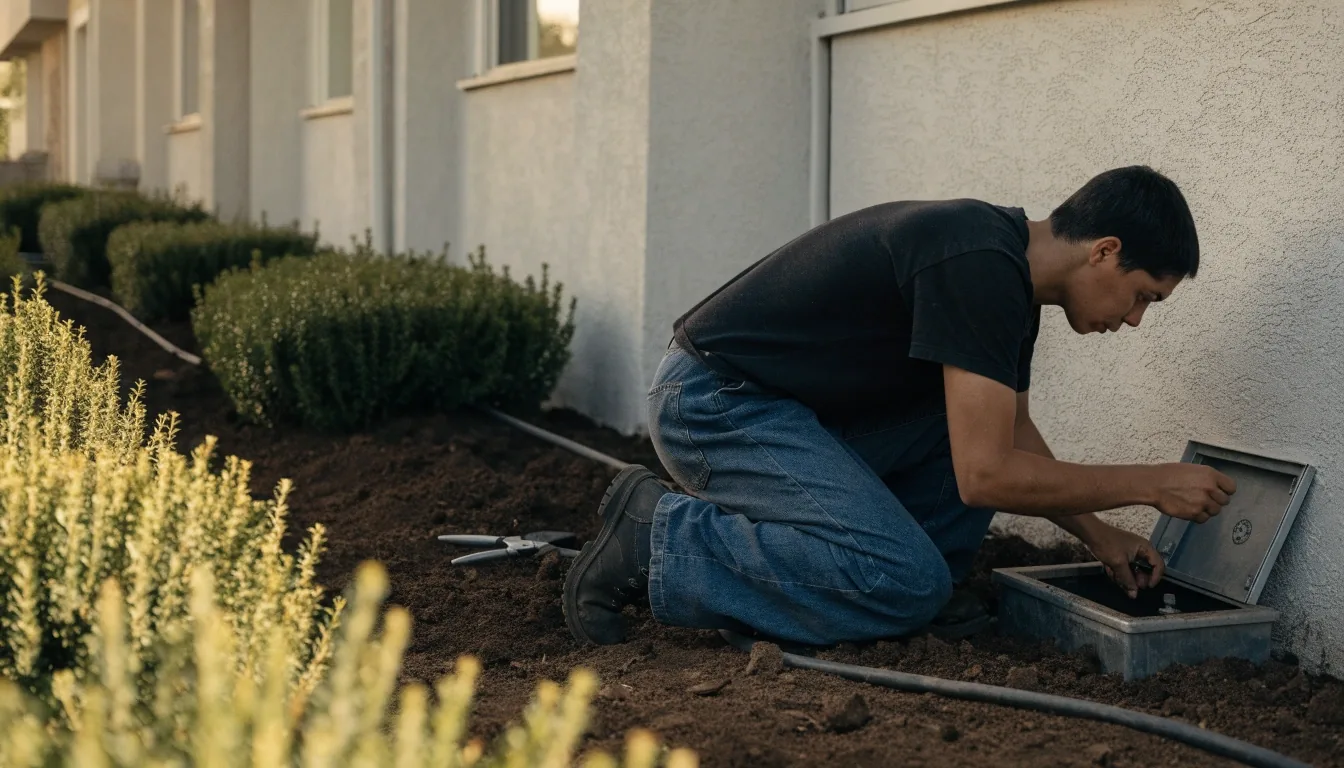
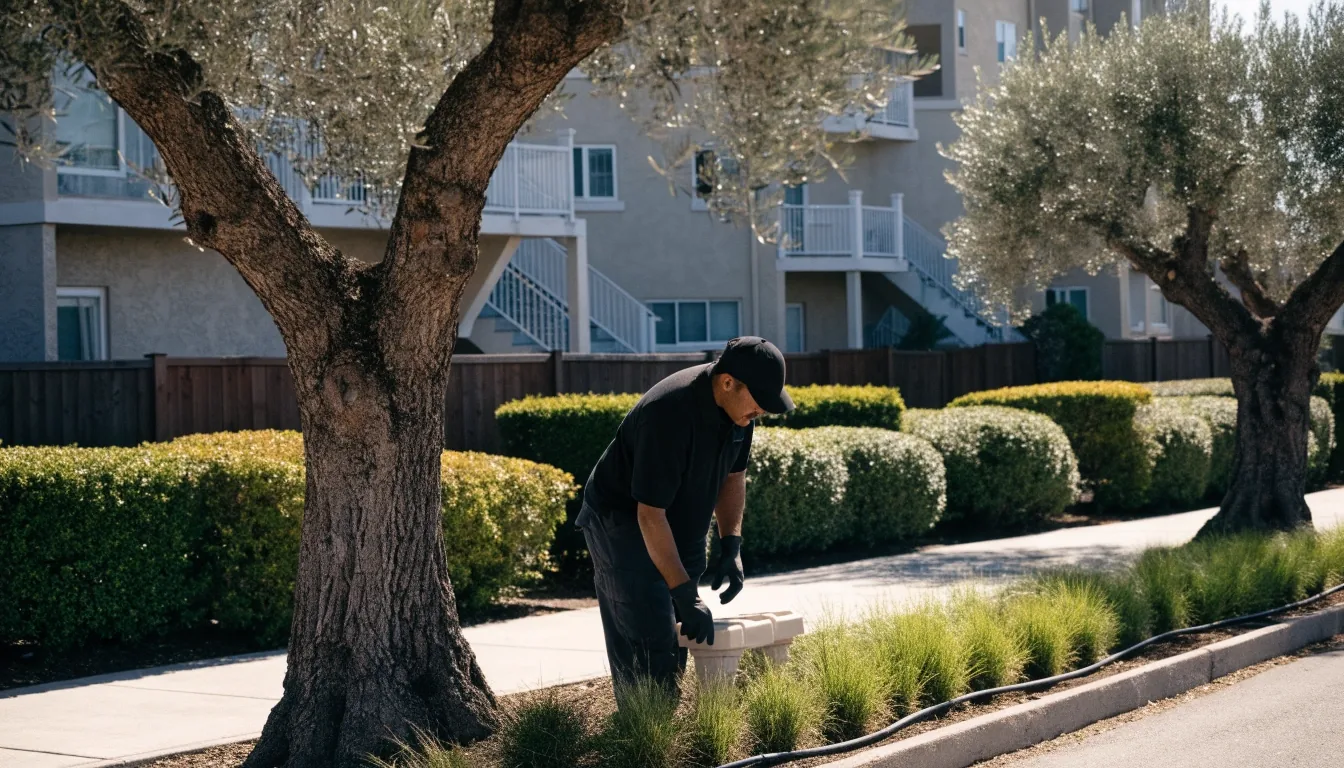
Landscaping is usually the most visible association-maintained item. Typical scope includes lawns, planting beds, irrigation, and pruning of shared trees and shrubs. The association contracts this work and reviews performance against a defined schedule.
Drought, storms, and labor shortages can all push costs up, and boards have to balance appearance against budget. If you notice an irrigation leak or a dead tree in a common area, report it. Water damage and falling limbs get expensive fast.
Usually in scope
Lawns, planting beds, shared trees and shrubs, and the irrigation that keeps them alive.
Report right away
Irrigation leaks, broken heads, standing water, and dead or leaning trees in common areas.
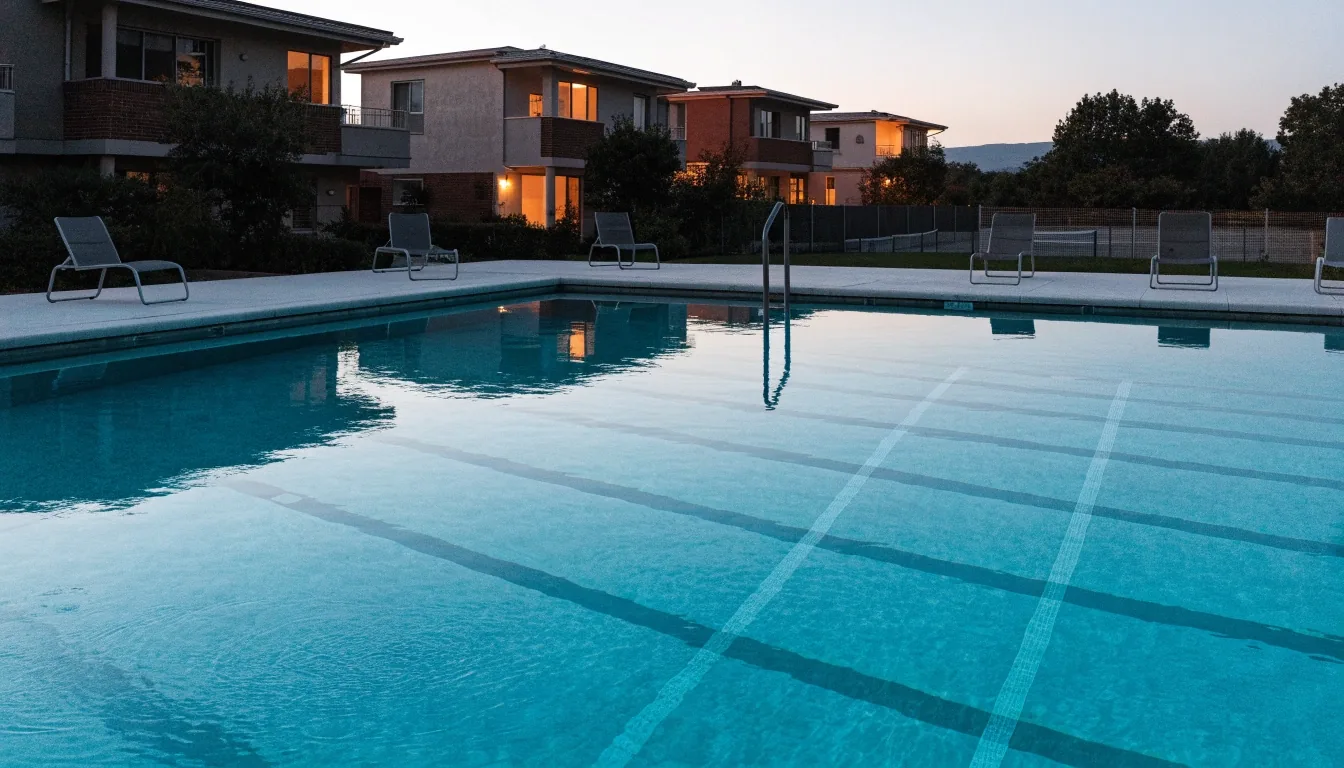
Pools, courts, clubhouses, and playgrounds are common-area assets the association typically maintains. Each has its own upkeep requirements: water chemistry and safety inspections for a pool, surface care for courts, and routine repair for a clubhouse.
These facilities also need reserve funding, because at some point equipment and surfaces wear out. Amenities are not free to operate, and the association budgets for them like any other shared asset. Rules for use are set out in the governing documents and posted at the facility.
Read about assessments and reservesBeyond what you can see, the association maintains infrastructure that serves multiple homes: drainage, shared lighting, and common utility runs. This work is less visible but no less important.
A blocked drain can damage landscaping or pavement, so catch basins and swales are cleared before the rainy season.
Failed lighting creates safety and liability concerns. Dark walkway and parking lights are worth an immediate report.
Lines that serve more than one home sit under common ground and are inspected on a schedule rather than after a failure.
Owners are responsible for their separate interests, which generally means the interior of the home and any fixtures or systems that serve only that home. Exterior elements attached to your unit may also be your responsibility depending on the governing documents.
Before making any exterior change, submit an architectural request. This protects you from having to undo work later and keeps the community consistent. A short description, a sketch or photo, and the materials you plan to use are usually enough to start the review.
Submit an architectural requestIn many private communities, trash collection is coordinated at the association level rather than by the city. That means service depends on a vendor contract and on residents using the service correctly. Missed pickups, overflowing bins, and improper disposal are common sources of complaints.
If your collection is missed, report it through the contact page with the date and location. Repeated issues are usually a sign the contract or the schedule needs review rather than one unlucky morning.
Report a missed pickupSeasonal maintenance is a test of how prepared an association is. In colder climates, snow removal is a common outsourced service with clear response triggers and vendor coordination; failing to manage it creates safety and liability concerns.
Even in a milder climate, seasonal work matters. Storm preparation, irrigation adjustments, and seasonal planting all follow the calendar. Boards plan for these in advance rather than reacting after the fact, because scheduling the work early usually costs less than handling the damage later.
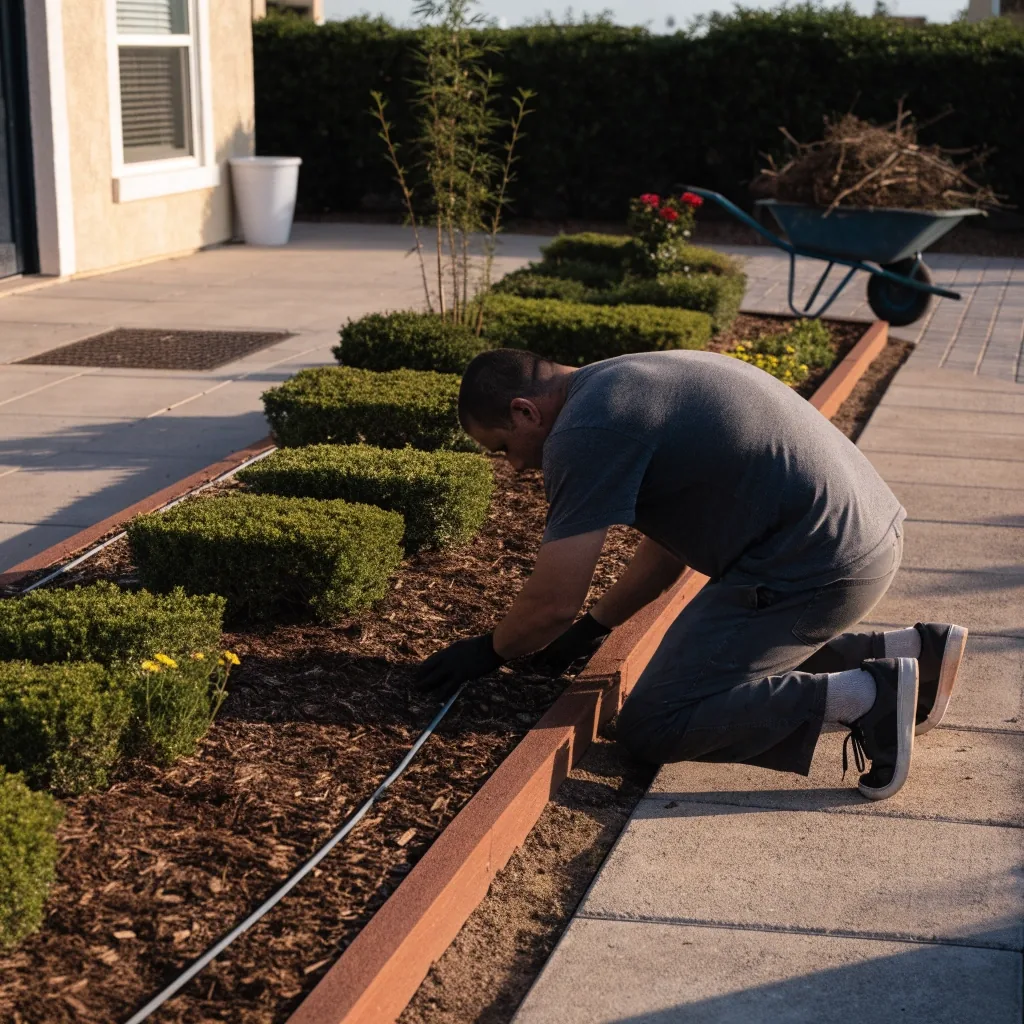
Most work is done by contracted vendors. The association solicits bids, verifies licenses and insurance, and defines the scope of work in writing. Oversight means checking that the work matches the contract, not just that someone showed up.
Residents are often the first to spot a problem, so reports are useful. A single complaint may be an off day; a pattern usually means the scope or the vendor needs to change.
It depends on whether that stretch is common area or exclusive-use common area, and the governing documents state how maintenance is allocated for each. If it is exclusive use, the association may still own it while you carry some upkeep. Send the location and a photo through the contact page and it can be classified before anyone spends money.
Submit an architectural request first. Landscaping in common areas is usually maintained by the association, so changes there are made through the board rather than by an individual owner. The request also keeps a record of what was approved, which matters if you sell later.
Report it through the contact page with the date and the location of the bins. Collection is coordinated at the association level in many private communities, so the report goes to whoever manages the vendor contract. Repeated misses on the same street are the clearest signal that the schedule needs review.
Regular assessments cover ongoing upkeep — water chemistry, cleaning, mowing, and small repairs. Reserves are set aside for the larger replacements that arrive on a predictable schedule: resurfacing, equipment replacement, and structural repair. Splitting the two keeps a single big project from landing on one year's budget.
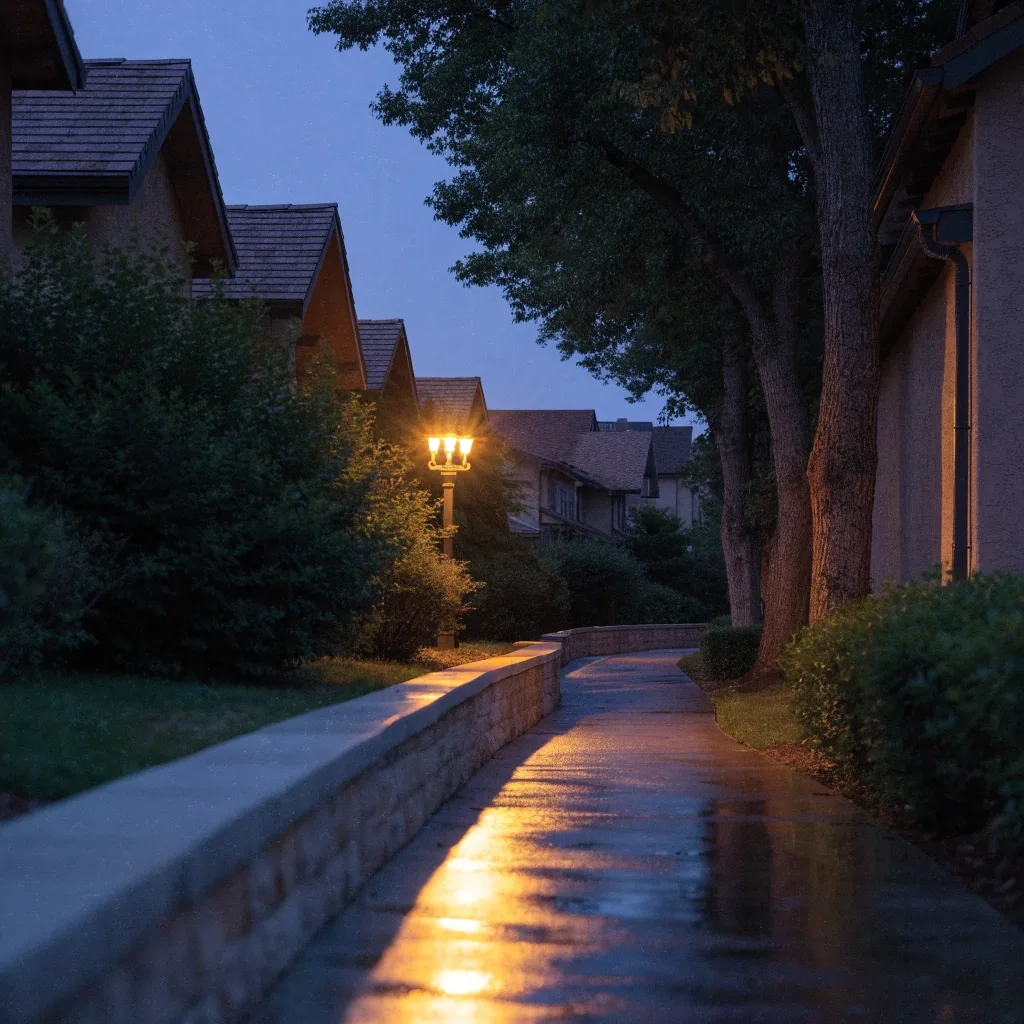
Send the location, a short description, and a photo if you have one. Reports reach the people who manage the vendor contracts and the maintenance schedule — and they are the fastest route to a fix.
Reach the help desk Monday to Friday, 9:00 AM – 6:00 PM at +1 (888) 277-5580 or [email protected]. Mailing address: 1625 The Alameda, Suite 625, San Jose, CA 95126.