
Resident Resources
What residents need, in one place
This page collects the practical information residents ask for most: trash collection, seasonal services, architectural requests, and how to report a problem in a common area. Keep it bookmarked, and check back when something changes in your household or on your property.
How to use this page
Four things come up again and again: what the association handles, when seasonal work happens, what needs approval before you build, and where to send a problem. Each section below answers one of those questions and points to the page that goes deeper.
- Trash and recycling Who contracts the hauling, where bins belong, and what to do when a pickup is missed.
- Seasonal maintenance Storm preparation, irrigation adjustments, and planting cycles in this part of California.
- Architectural requests Exterior changes that need review before you schedule a contractor.
- Reporting a problem What to send, and why early reports usually cost less to fix.
Trash and recycling
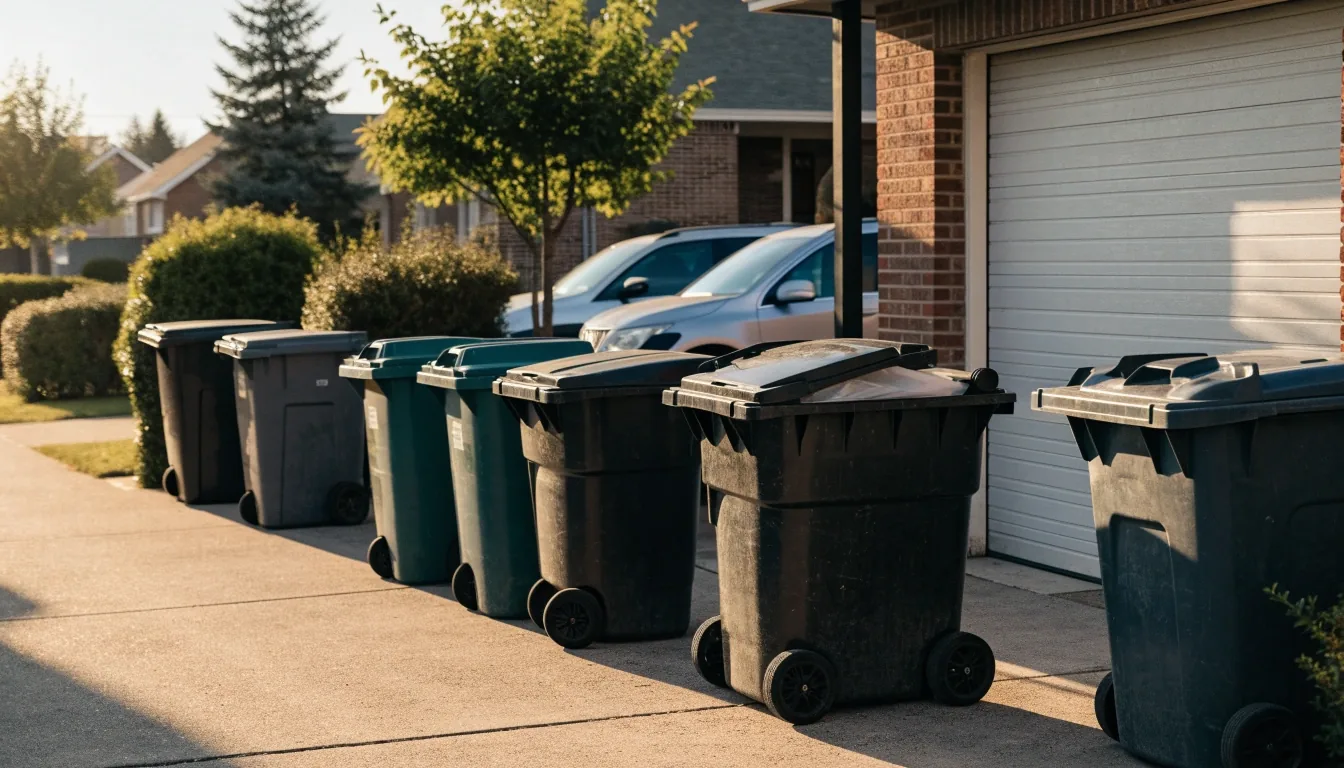
Trash collection in many private communities is coordinated at the association level rather than by the city, and this community is no exception. That means service depends on a vendor contract and on residents following the rules for bins, placement, and timing. Overflowing bins and improper disposal are the complaints management hears most often.
If your pickup is missed, report the date and location through the contact page so management can follow up with the vendor. A short note with the street and the day is usually enough for the hauler to trace the route and see what happened.
Placement and timing
Bins belong at the collection point on your pickup day, not on the curb days early. Keeping them off the sidewalk and away from parked cars keeps the route moving and the streets clear.
What goes in which bin
Yard waste, recyclables, and household trash go in separate containers. Bagging food waste cuts odors and keeps pests out of the enclosures between pickups.
Bulk and oversized items
Furniture, appliances, and construction debris do not belong in the shared bins. Ask management before you set anything oversized out, so the vendor can be told in advance.
Seasonal maintenance
Seasonal work follows the calendar. In colder climates, snow removal is a common outsourced service with clear response triggers and vendor coordination, and failing to manage it creates safety and liability concerns. In our area, seasonal work tends to involve storm preparation, irrigation adjustments, and planting cycles.
If you see a seasonal issue in a common area, report it early rather than waiting for the next scheduled visit. A leaning tree limb or a soggy patch near a walkway is cheap to correct in November and expensive to correct after a winter storm.
Read about maintenance responsibilitiesSeason by season
-
Spring
Planting cycles begin, irrigation systems are checked and adjusted, and winter debris is cleared from beds and drains.
-
Summer
Irrigation runs more often, turf and shrubs get the most attention, and common-area lighting is checked during longer evenings.
-
Fall
Storm preparation starts: gutters, drainage inlets, and tree limbs near walkways are reviewed before the rain arrives.
-
Winter
Drainage is watched during storms and irrigation is dialed back. Report standing water or damaged hardscape as soon as you spot it.
A small leak reported today is a repair. The same leak in March is a walkway replacement.
Contact the management teamArchitectural requests
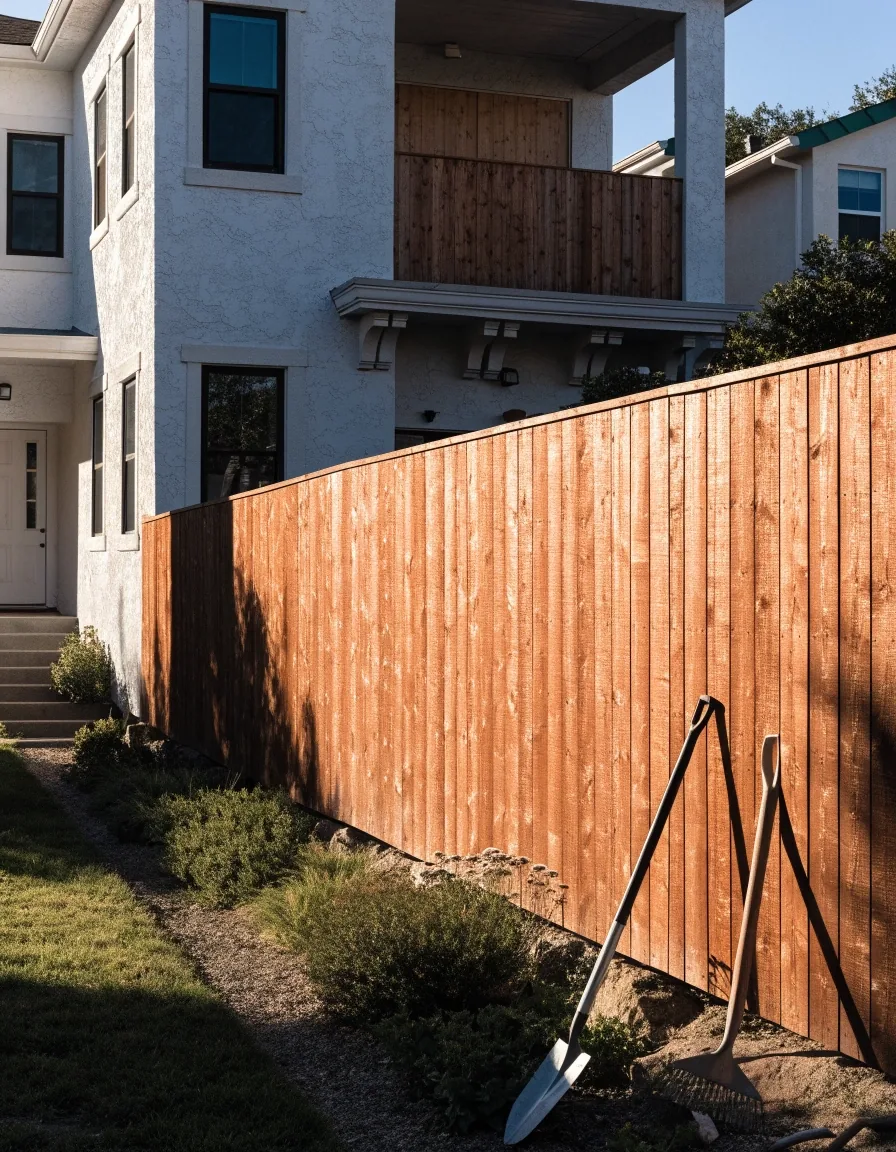
Before you make an exterior change to your home, submit an architectural request. This covers paint colors, landscaping changes visible from common areas, fences, patios, and similar work. The review exists to keep the community consistent and to protect you from having to undo work later.
What the review covers
Requests are reviewed against the governing documents, and you should allow time for review before scheduling contractors. Paint colors, roof materials, visible fencing, patio covers, hardscape, and plantings that face a shared area all fall inside the review. Interior work that no one sees from outside usually does not.
What to send with your request
- A short description of the work and where on the property it happens.
- Photos of the existing condition, taken from the same angle as the shared area.
- Samples, color names, or a sketch of what you plan to build.
- Your target start date, so the review can be scheduled before contractors are booked.
Send the request to management through the contact page. Approvals and denials come back with the reason, so you know whether to adjust the plan or proceed as submitted.
Reporting a common-area issue
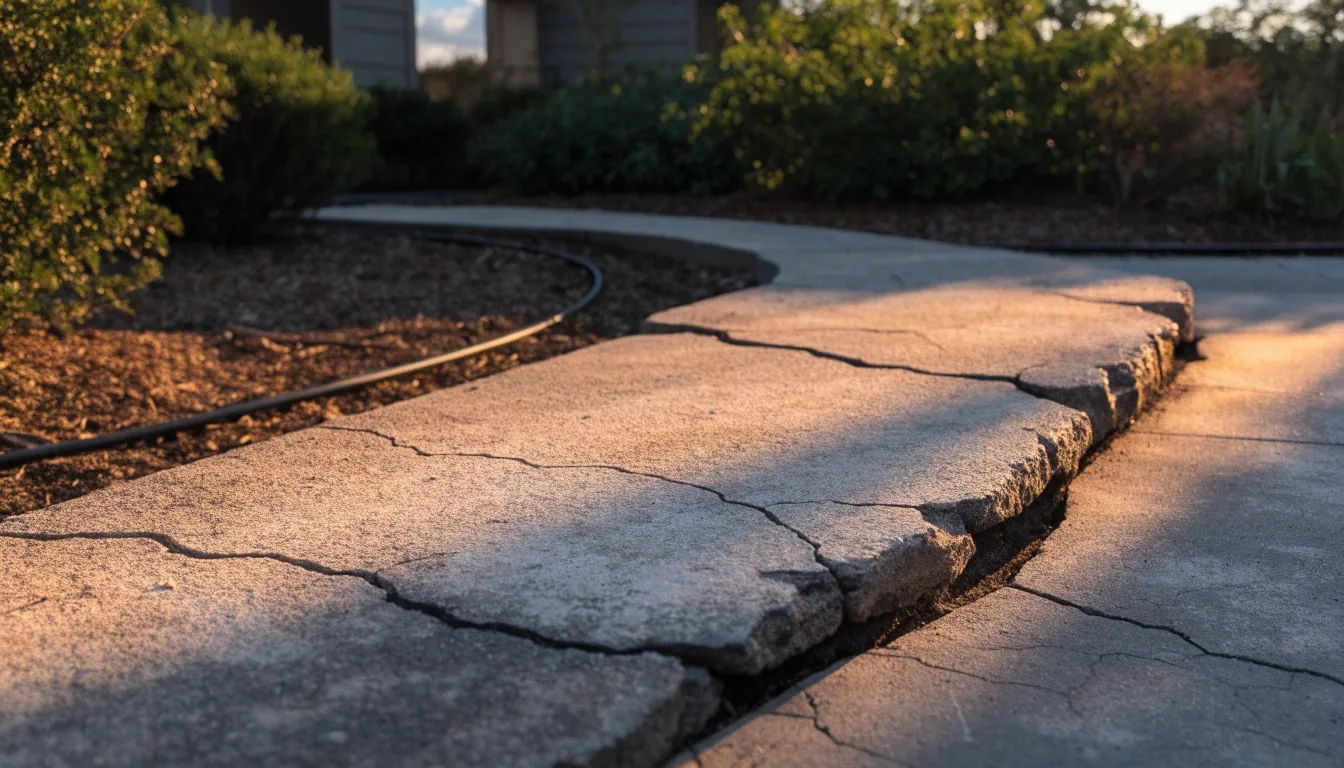
If you see a problem in a common area, report it through the contact page with the location and a short description. Include a photo if you can. Common issues include irrigation leaks, damaged walkways, broken lighting, and landscaping problems.
Reporting early usually means a cheaper fix, because small problems have a way of becoming expensive ones. Water that reaches a foundation, a walkway that lifts into a trip hazard, or a light that stays out over a dark stairwell all get harder to handle the longer they wait.
What to include
- The location: building, street, or the nearest landmark in the shared area.
- A short description of what you see and when you first noticed it.
- A photo from a safe distance, which often saves a site visit.
- A note if anything is unsafe right now, so it can be marked and addressed first.
Recreation facility rules
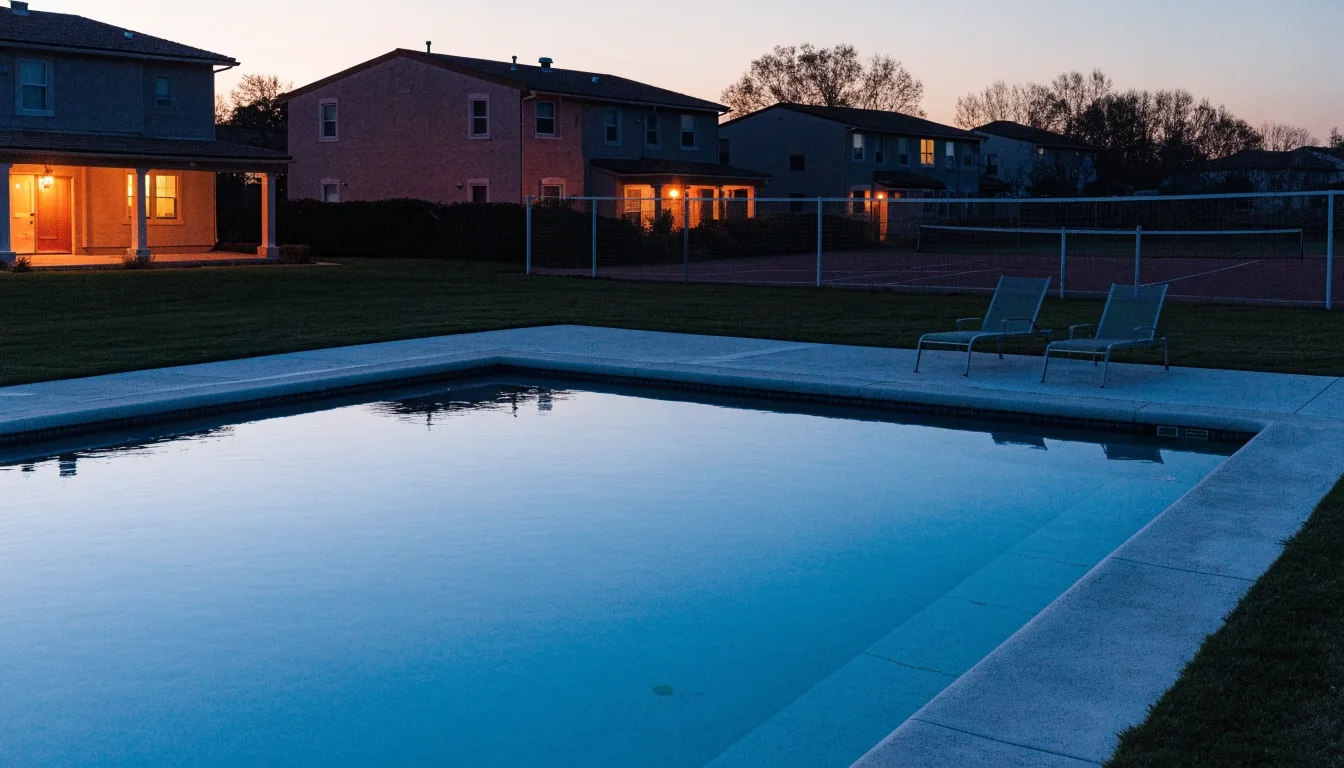
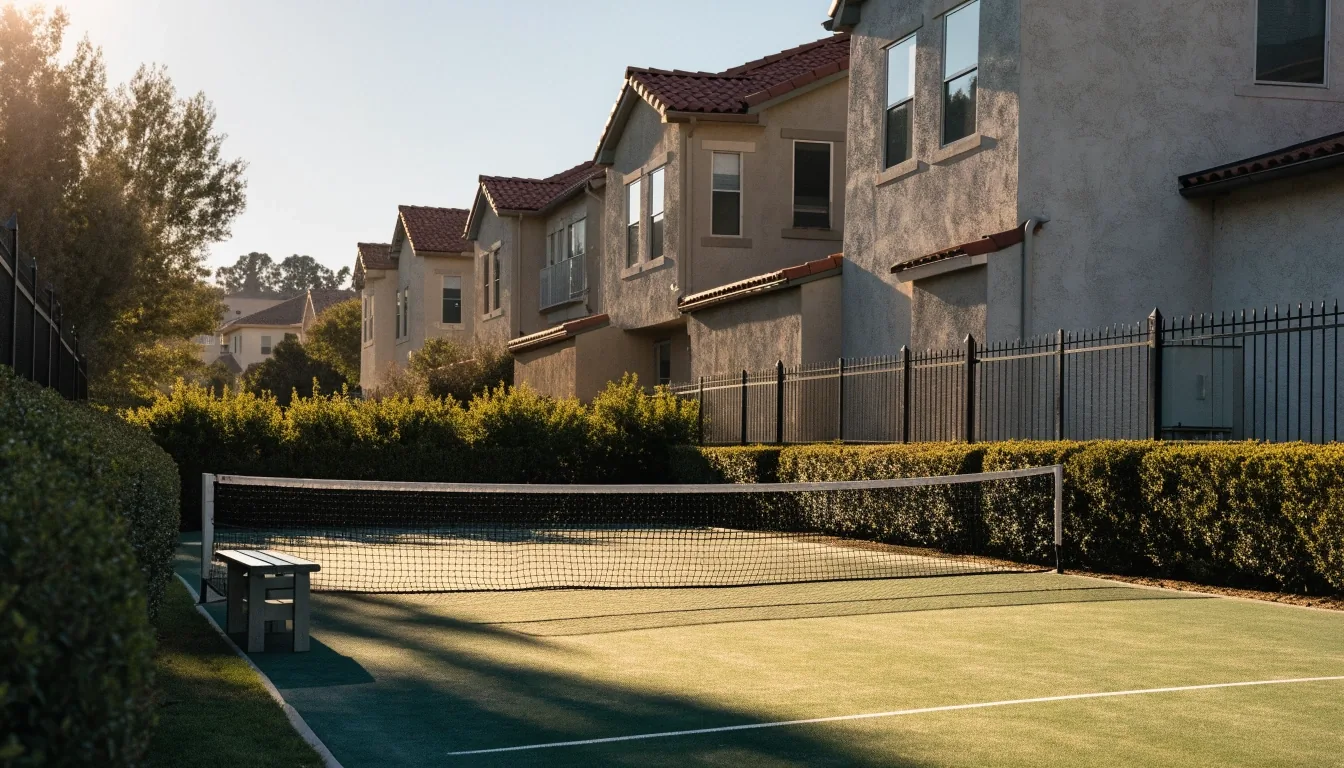
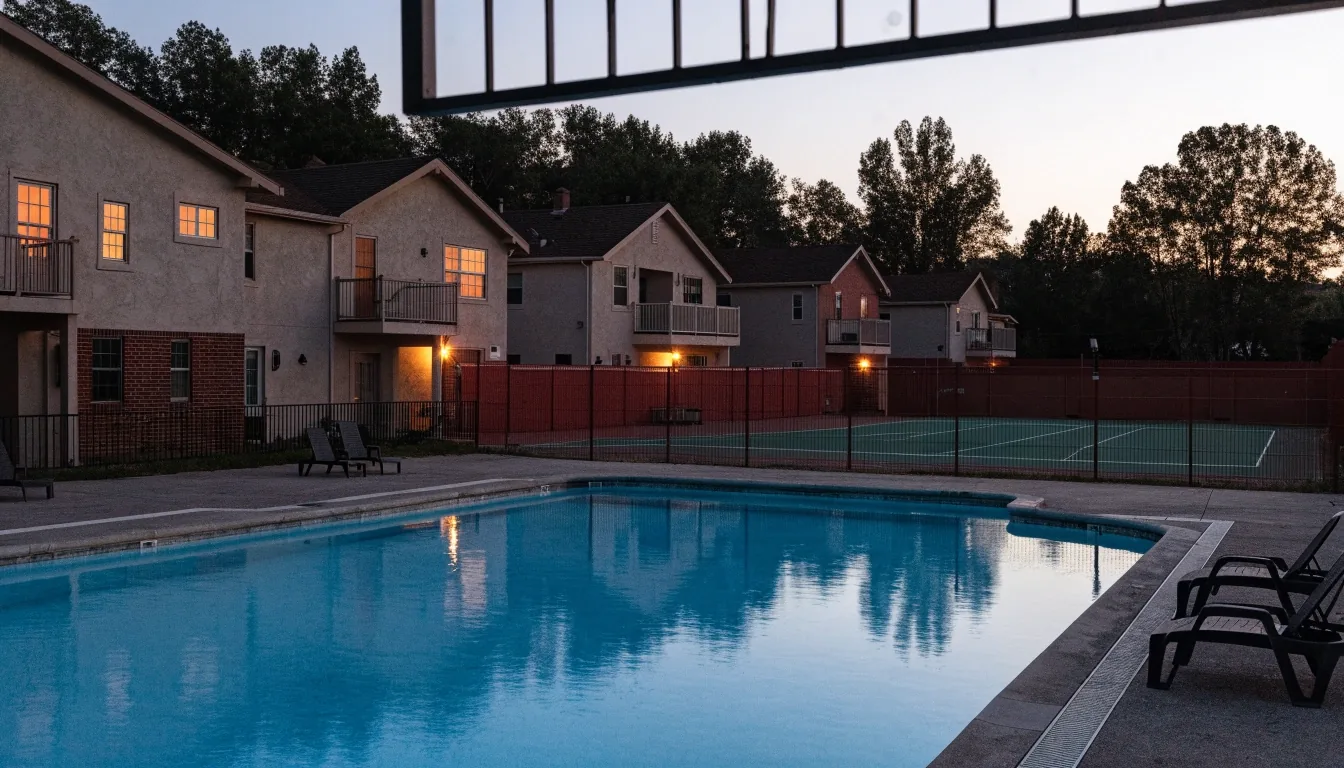
Recreation facilities are shared assets with their own rules for use. Hours, guest policies, and safety requirements are set out in the governing documents and posted at the facility. Following the rules keeps facilities usable for everyone and reduces wear on equipment that the association has to repair or replace from reserves.
-
Hours and access
Facilities open and close on a posted schedule. Access outside those hours is not part of normal use and can affect security and insurance coverage.
-
Guests
Residents are responsible for the guests they bring. Guest limits and any sign-in expectations are written in the governing documents.
-
Safety and condition
Report damaged furniture, broken equipment, or anything that looks unsafe right away. Items pulled from service are usually waiting on a part or a vendor visit.
Vendor and contractor inquiries
Vendors who want to work with the association should contact management with their license, insurance information, and a short description of the services they provide. The association solicits bids for larger projects and reviews qualifications before awarding work. Unsolicited visits to individual homes are not the right channel for association work.
Residents who are approached at home by a contractor should send the company name to management rather than agreeing to anything on the spot.
What management asks for
A current license, proof of insurance, and a plain description of the service, along with references from comparable common interest developments.
How work is awarded
Larger projects go out to bid. The board compares scope, price, and availability before selecting a contractor, and the decision is recorded in the minutes.
Where vendor costs sit
Routine service is covered by the operating budget; larger replacements are funded through reserves. Both are explained on the assessments page.
Reporting a concern
If work in a common area looks unfinished or unsafe, report it with the location and a photo so it can be checked against the schedule.
Documents and records
Owners may request copies of governing documents and inspect certain association records. Requests should go to management in writing so they can be logged and answered within the timeframes state law provides.
If you are buying or selling a home in the community, ask for the current governing documents and the most recent budget and reserve information. Those two items answer most of the questions that come up during escrow, and they are easier to obtain before the closing deadline than after it.
Owners can also ask to review board minutes, the current budget, and reserve study information. Written requests keep the record clear about what was asked and when it was answered.
Common requests
- Current governing documents and any recent amendments
- The current operating budget
- The most recent reserve study information
- Board meeting minutes for a stated period
- Architectural guidelines and the request form
Questions residents ask
Short answers to the things that come up most. If your situation is not covered here, send the details to management and someone will follow up.
Who do I contact about a missed trash pickup?
Send the date and location to management through the contact page. The association follows up with the hauler on behalf of the community, so the address and day help trace what happened on that route.
Does the association handle snow removal?
Snow removal is common in colder climates, where it is usually outsourced with clear response triggers and vendor coordination. In our area, seasonal work runs toward storm preparation, irrigation adjustments, and planting cycles instead.
Can I start exterior work while my request is under review?
Wait for the decision before scheduling contractors. Starting early risks having to undo work at your own cost, and the review is usually faster when the request includes photos and samples.
What happens after I report a common-area problem?
The report is logged and routed to the vendor responsible for that type of work. Anything unsafe is marked and handled first; routine repairs follow the maintenance schedule. You will hear back if more detail is needed.
How long does a document request take?
Requests go to management in writing and are answered within the timeframes state law provides. Naming the documents you need, and whether it is for escrow, shortens the back-and-forth.
Still have a question?
Management handles trash collection questions, common-area reports, architectural requests, and document requests for the association. Office hours are Monday through Friday, 9:00 AM to 6:00 PM.
1625 The Alameda, Suite 625, San Jose, CA 95126, USA
Phone: +1 (888) 277-5580
Email: [email protected]